https://midcurrent.fliesforsale.com/the-most-important-fly-fishing-article-youll-ever-read/?ffst=43i3n-dhdk
今まで読んだ中で、一番重要なフライフィッシングの記事
While we all fly fish for a lot of reasons, we all share one primary goal; to catch more fish. Wherever you are in your fly fishing career, you can always improve and learn more. I’m going to share with you today something I wish I had known back when I first started fly fishing over 15 years ago. I’m going to teach you a simple strategy that you can keep in your mind while on the river that will help you figure out how to catch fish anytime, anywhere. The framework I’ll teach you will also help you find where you are strong and where you are weak in your fly fishing skills so you can improve them and become a well balanced angler. Let’s discuss the strategy for fly fishing that will always yield success.
僕たちはみんな色々な理由でフライフィッシングを行っているが、みんなで1つのゴールを共有している。つまり、もっとたくさん釣ること。君がどこでフライフィッシングの経験を積んでいようが、常にもっと上達し学ぶことができる。フライフィッシングを始めた15年以上前の頃に知りたかったことを、僕は今日君たちと共有したいと思っている。君たちがずっと心に留め置くことができる簡単な戦略を教えるつもりだ。それは川で、いつでも、どこでも、釣り方を見いだすのに役立つだろう。僕が君たちに教えようとしているフライフィッシングの技術は、君の弱い点と強い点を見つけるのに役立つでしょう。そして、その箇所を改良すればバランスの取れた釣り人になれる。では、常に良い結果を生むフライフィッシングの戦術について話そう。
フライフィッシングの方程式:場所+フライの選択+プレゼンテーション=釣れる
There you have it. That’s the three ingredients you need to catch fish. It’s actually very straightforward and simple on the surface, but the learnings and improvements come when you dive in deeper. I’m shocked at how many people fail to correctly execute this on the river and I think it’s because people aren’t always thinking about these variables while on the river. Often, you’ll have people polarized on one side or the other about these variables stating you only need really good presentation to catch fish or if you don’t have the absolute perfect fly, you’ll never catch that trout. Balance is an important and repeating trend in fly fishing and is the key to this strategy.
コレがそれだ。釣りに必要な3つの要素だ。見かけ上はほんとうに大変分かり易くて単純だが、より深く考えないと理解と上達は得られない。川で大勢の人が、これを正しく行っていないことに驚いた。その原因は人々が川でこれらの3つ「変数」を考えていないからだ、と思った。釣るためには良いプレゼンテーションが必要だ。また完璧なフライがないなら、鱒は絶対釣れない、と言う、片方に偏った人々に時々会うだろう。フライフィッシングではバランスが重要で、これはフライフィッシングで繰り返されているトレンドであり、戦術のキーになるものだ。
You can’t have the right fly and a great cast, but fishing in water that doesn’t hold fish. You can’t be in trout infested waters during a caddis hatch throwing a size #2 flying ant in chartreuse and expect to catch any fish, even with a drag free drift. You can’t be in the middle of a midge hatch with rising trout all around and be skating your midge due to unintentional drag on your fly line. All of the above scenarios will yield you very few to no trout. However, if you’re in the right spot, during a caddis hatch and able to throw a semi-decent elk hair caddis out with a fairly drag-free drift, you’re much more likely to have a good numbers day. A balance of all three are needed. In addition, there are times where location is more important than fly selection or presentation, and conversely, the same is true for fly selection and presentation. Tailwaters that get pressured often are a great example of a good location (meaning full of trout) but it often requires excellent presentation and fly selection for success.
君はいいフライを持っておらず、いいキャストもできない。でも、魚がいない川で釣っている。カディスの羽化時期に、チャートリュース色のサイズ#2のアント・フライをキャストして、何か釣れるかもと期待して、ドラッグ・フリーの状態でアタリを待ちながら、でも鱒が群れる場所にいないかもしれない。君は、鱒があっちこっちでライズしているミッジの羽化の真ん中にいなくて、フライラインの意図しないドラッグでミッジ・フライを水面で滑らすことが出来ないかもしれない。これらのすべてのシナリオは、鱒がほとんど一匹も釣れないことにはならないだろう。でも、もし君が正しい場所で、カディスの羽化の時期に、ドラッグの無いドリフトで、semi-decent elk hairカディスをキャストできるなら、もっとたくさんいい日を過ごせるようになる。これら3つのバランスが必要なのだ。加えて、場所がプレゼンテーションやフライの選択よりもっと重要になる時期があり、逆に、フライの選択とプレゼンテーションが重要になる場合もある。たとえば、プレッシャーの高いテールウォータ部分は時々いい場所になるが、釣れるためにはフライの選択とプレゼンテーションが肝心だ。
I could give dozens of more examples but I think you get the point. The goal of any day should be finding the right balance of these three variables in order to catch the most fish. Before we talk you through some more examples to help show how this works on the water, I want to dive into each of these variables a little closer and peel back the onion. You’ll see that though there are just three variables to successful fly fishing, there are dozens of ingredients that make up those variables and within those variables is the secret sauce to success.
僕はもっとたくさんの例を示すことが出来るけれど、君は理解できたと思う。魚をたくさん釣るために、いつもこの3つの正しいバランスを見いだすべきでなのだ。話を進める前に、これが川でどのように効果があるか、その例を示すことで、この変数に焦点を当て、玉葱の皮を1枚1枚めくっていきたい。フライフィッシングを成功させるためには、この3つの変数があることが分かるであろう。これらの変数を構成するたくさんの要因があり、ここに成功のための秘密のソースがある。
Follow These Steps
Follow through these steps with me and then we’ll give some examples at the end to connect it together well. We’re about to open pandoras box of fly fishing and it’s remarkable how complicated it actually is. With that said, we’ve broken it down into these steps. I believe you should take these steps in the order the are presented below. Plan ahead considering all of these variables, but make decisions in the order they are presented below.
これらのステップに続け
僕と一緒にこれらのステップに続け。それを関連づけてうまくまとめるために、終わりにいくつかの例を示すつもりだ。僕たちは今まさにフライフィッシングのパンドラの箱を開けようとしている。それは本当は驚くべき複雑さだ。そうは言うものの、それを数ステップに分解しよう。次に示される順番で、君は各ステップを取るものと、私は信じている。
フライフィッシングの場所
STEP 1 – FINDING THE RIGHT LOCATION FROM MAP TO CAST
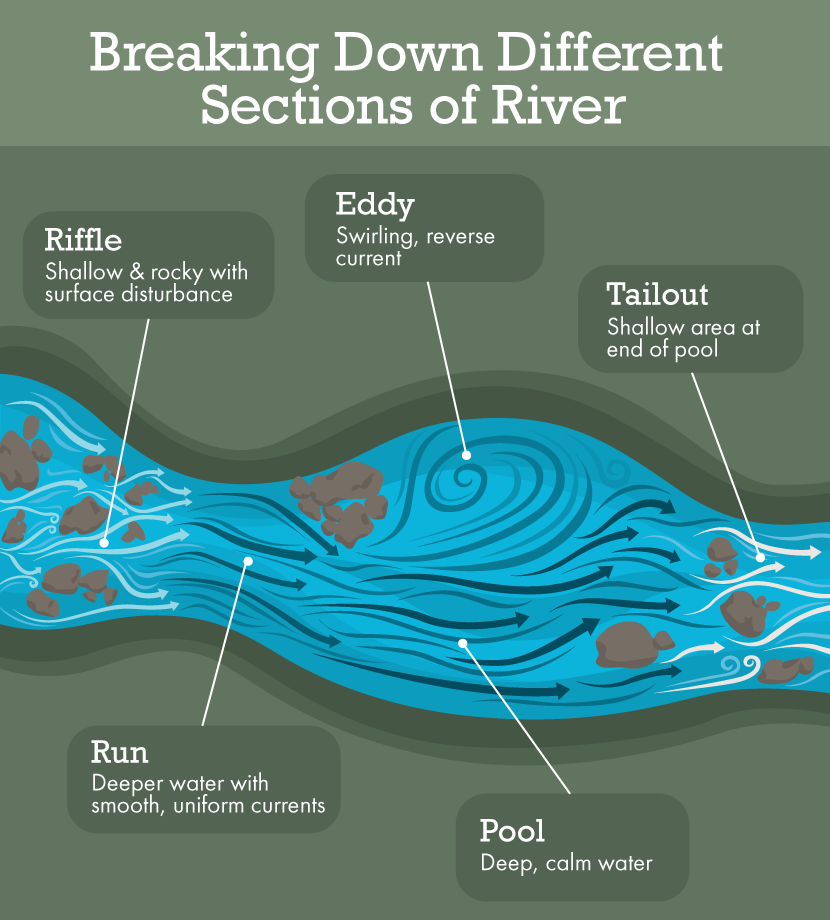
When we talk about fly fishing locations, we’re first and foremost discussing places where the fish you’re targeting are plentiful. However, there are dozens upon dozens of variables that make up what makes a good location for catching fish. For purposes of this article we’re going to focus on trout in rivers. While these examples and areas will make the most sense for trout rivers, they can be adjusted for any fish and body of water you fish. Here are the main areas that should be considered when finding a good location:
ステップ1: 地図から、キャストに適した場所を見つけること
フライフィッシングの場所について話すとき、僕たちはまず最初に魚がたくさんいる場所ついて議論している。でも、釣れる場所を構成する要因にはいくつもの変数がある。この記事の目的のために、川の鱒に焦点を当てよう。これらの事例と検討範囲は鱒がいる川でもっとも分かり易いが、釣る魚と場所によって調整できるであろう。これが、いい釣り場を探すときに考慮されるべき主な検討範囲だ。
ENVIRONMENTAL FACTORS
Environmental factors cover two areas. First, it covers habitat for the targeted species, in this case, trout. You need the right water temperatures, streamflows, insect life, stream structure and a host of other options that make good trout water. We will discuss these in further detail in later posts, but pick 4 or 5 areas you fish often and look at them on a map and look at pictures you’ve taken of the landscape. There are many factors going on there and finding those in other rivers in your area are often what will find you new and productive trout waters.
環境的要素
環境的要素は2つの範囲をカバーしている。まず、ターゲット種(この場合は鱒)の生息場所だ。適度な水温、流れ、虫の生息、川底、そして鱒に適した水域になる多くの他の要素を必要とする。あとで更に詳しく論じるつもりだが、君がよく行く釣り場を4〜5箇所選んで、地図上で確認し、そこの風景を写真でじっくり見よ。そこには、その場所で起こっていて、別の川でも見いだせる多くの要因があり、それはしばしば鱒が多い要因になっている。
STREAMFLOWS AND THEIR IMPORTANCE
I want to take a moment here and touch on the subject of streamflows. This can be incredibly important. The USGS and local state departments for wildlife and resource management all track major rivers at several points along their journey to help aid in water management and other reasons. For us as anglers, we can make use of this data as well and track where stream flows are at. While the numbers and the story they tell is different for every river, it’s important to look for three things when researching stream flows.
First, what are the flows at in comparison to historical highs and lows? Knowing if flows are high or low for a time of year or any given day helps you see if you should expect anything different from previous years. This data can be found on their sites if you do a historical search.
水量とその重要さ
ここで少し時間を取り、水量について触れてみたい。これは本当に重要になる場合がある。USGS(アメリカ地質調査所)と地方の自然・資源管理機関は、水資源管理などの支援のために主要な河川に数ヶ所の観測点を設け、その値を記録している。釣りのためにこのデータを使うことができる。その観察箇所数と内容(story)は川によって異なるが、川の水量を調べるときは3つの点を探すことが重要である。まず最初に、過去の高位と低位とを比較して、水流はどうか?ある年の特定の時間、または日の水量が高いか低いかが、前の年との違いを予想すべきかどうかに役に立つ。もし君がネットで検索したなら、そのデータをこれらのサイトで見つけることが出来る。
The second is whether the flow is going up or coming down. It has to be coming up or going down at anytime, but how much it has gone up or come down can make a difference in what you fish and when you fish. An example would be when flows have been stable in mid spring and they jump up due to rain or snowmelt in a matter of days. This can trigger annelid, cranefly and other insects to be more plentiful in the flows as they commonly get dislodged as the the force of the water increases with streamflow bumps. Things like this can make huge differences on your success for the day. Check if flows are going up and down and learn what that means for the rivers you fish and you’ll be better off in preparing for your day.
2番目は、水量が上昇しているのか下降しているのかだ。いつでも上昇したり下降しているのだが、どのくらい上昇(下降)したかは、何が釣れて何時釣れるかに違いがでる。1つ例は、春の中頃、水量が安定していて数日間の雨や雪解けで、水量が急上昇したときだ。水流は水量の増加とともに強くなり、すべてを洗い流してしまうので、ミミズ、サギ(crane fly)、そして昆虫が大量に出現するきっかけになることがある。このようなことは1日の釣果に大きな違いになる。水位が上昇しているのか下降しているかを調べ、釣りに出掛ける川でどうなっているかを学びば、その日のための準備は十分になるだろう。
Lastly, is the fishable flows range. This of course varies per river, but all rivers have an optimal flow. Set the ranges for your river by looking at historical highs and lows for the last few years against the data you have on how it fished at those times. Typically you can do this based off runoff as well. Looking at a river that commonly sits between 200 – 400 cfs but hits 1600 cfs in run off and has flows later in the year (November or so) of only 100 cfs tells me that you can likely fish the river well between 150 cfs and 800 cfs. You can split runoff in half and add 50% to the bottom flow to get a fishable range, then in the middle of that range (325 cfs) is your optimal flow and anything up or down from there 100-200cfs is probably good flows. It’s a little arbitrary but after fishing the river a few times at different flows and looking at the stream structure you’ll have a good idea of when things should fish well and when they wouldn’t. I could, and likely will, write a more complete article on understanding streamflows for fly fishing in more detail, but for now understand they are very important to the environmental location factors of making your best fly fishing day.
最後は、釣り可能な水位の範囲である。無論、川ごとに異なっているが、すべての川には最適な水量がある。その時に何匹釣れたかのデータに対して、過去数年間の水位が記録的に高いときと低いときを考えて、その川の水位範囲を決めよ。おおむね、表面水位を除けば上手く決定できる。通常、200-400CFSの流量であるが、増水時は1600CFSになり、年末に、わずか100CFSの流れだったことを考えると、150-800CFSが釣り可能な水位であることが分かる。釣り可能な水位を知るために、流出(runoff)を半分に分け、川底の水量に50%を加えよ。それで最適な流量は中間の325CFSで、そこから上下100-200CFSが多分いい流れだ。これはチョット恣意的であるが、違った水量のときに釣りをして、川底について考えてみれば、よく釣れるときと釣れないときについて、よい考えを得るでしょう。もっと詳しくフライフィッシングに適した流れを理解するために、もっと十分な記事を書きたいが、現段階の理解では、いいフライフィッシングを行うために、釣り場の環境的要素が非常に重要だ。
The second environmental factor is weather. Day temps, night temps, daily avg temps, wind, cloud cover, rain, snow, barometric pressure, moon phases, and more all attribute to the weather. It is also broken down seasonally. A winter snow storm, for example with temps in the high 30’s can produce excellent fishing right in the thick of the storm due to low pressure, relatively warm temps (for winter) and the fact that midges hatch in anything it seems and make for good trout food. However, if you get a snow storm in summer when it’s supposed to be 80’s and it’s 30’s that almost certainly will shut the fishing down until things stabilize. So it’s not completely straightforward, but when you break it down per season, there are trends to look for and consider and with careful observation and note taking you can find the right weather trends for each season that are optimal in your area.
第二の環境要素は天気である。日中気温、夜気温、日の平均気温、風力、雲量、雨量、降雪、気圧、月齢、そして、天候に関連する他のたくさんの属性だ。季節ごとにも分解される。例えば、最高気温30F(-1℃)台の冬の嵐は、低気圧、比較的暖かな気温、そしてミッジがどこにでも羽化して、鱒の餌になるので、嵐のまっただ中でも素晴らしい釣りになることがある。しかし、80F(27℃)台の雪嵐なら、嵐が安定になるまで釣りを中止すべきで、ほぼ確実に30F台になる。だから簡単なことではないが、シーズンあたりにそれを分解すると、探している傾向がわかる。そして記録メモと注意深い観察で、君のエリアで最適な各シーズンの正しい天候の傾向を見いだすことができる。
Environmental factors are very important to fly fishing success, but are something that as anglers, we have the least amount of control. It’s important to know as much as you can so you can plan for success. I’ve had days where weather has completely ruined and made the days, regardless of fly selection and presentation. Take your time to learn, track and measure these factors and you can find some excellent places to fish and learn the right times to fish them making your days exponentially more successful.
環境要素はフライフィッシングにとって非常に重要だ。釣り人によるが、少し制御できるものがある。うまく計画できるように、可能な限りたくさんのことを知ることが重要だ。フライの選択とプレゼンテーションに関係なく、天気がすごく荒れていたが釣果がよかった(make the days)ことがある。これらの要素を調べ評価するために時間を割け。そうすれば、君の釣りは素晴らしく上達して、釣れる場所と時間帯が分かる。
RIVER FACTORS
In addition to the environment, where to fish on the river is very important as well. In our efforts i building the River Explorer, we built an acronym to help us understand how rivers are broken down. BRSB is the acronym and it stands for Basin, River, Section, Beat. A basin is the a single and complete drainage from one major river system to another. In Colorado, the South Platte River Basin is comprised primarily of the South Platte River as the primary drainage, but has dozens of other rivers (bear creek, boulder creek, clear creek, etc) that all drain into the south platte creating the basin.
川の要素
環境に加えて、川のどこで釣るかもまた重要だ。川下り冒険(river explore)の立上げで、川がどのように分解されるかを理解するために役立つ接頭語(acronym)を作った。それは「BRSB」で、Basin(流域), River(河川), Section(区間), Beat(拍子)を意味する。Basin(流域)とは1つの完全な水系である。コロラド州のthe South Platte River 流域は主流域として 主にthe South Platte川からなっているが、bear creek, boulder creek, clear creekなど沢山の川を含み、それらはすべて流域を形成するthe south platteに集水している。
The river of course is how most of us talk about where we fished. That is simply the name of the river. Moving on.
The section is where it gets tricky as we try to communicate together as anglers. Some of the more famous rivers have sections that are well understood, while others such as cross creek only really have an upper, middle and lower section. Sections are defined as noticeably different fishing or environmental changes that happen in a river. A river may start out small in the upper section containing small pocket water, but picks up bigger streamflows and widens into a medium size river and more traditional runs, riffles and holes. A reservoir may dam up the river creating a tailwater and thus, a new section. Or it could even be things like what we see on the Bighorn river in MT, where A-3 section is the first section standing for Afterbay boat ramp to 3-mile boat ramp where anglers commonly float a “section” of river. This changes based on the state, size of water and environment.
川は無論、釣った場所をどのように話すかによる。それは単に川の名前だ。話を進める。
区間(section)とは釣り人と会話しようとするとき、油断ならない場所である。有名な河川のいくつかには、よく知られた区間がある。cross creekのような川は単に上流、中流、下流域があるだけだが、区間とは、河川にある著しく異なった場所、あるいは環境的変化がある場所と定義される。川は上流で水溜りを含む小さな流れで始まり、より大きな川の流れを取り込み、中サイズの川に川幅を広げ、より伝統的な流れ、急流、そしてホールを形成してゆく。貯水池はテールウォーターを形成している川を堰き止めて、新しい区間になっている。MT(モンタナ)州のビッグホーン川で、見られるように。A-3区間はAfterbayボート搬入場を表す最初の区間で、一般に釣り人が川下りする区間である3マイルあるボート搬入場だ。区間は、州や川のサイズ、環境によって変わる。
The beat is just another breakdown within a section of river as some sections are rather large. A beat refers to a minimum a single series of a run, riffle and hole. This is the minimum, but the range can expand as necessary for the river size and way the sections are defined. For example, here in Colorado we have the South Platte River Basin -> South Platte River -> Dream Stream (Charlie Meyers SWA) Section -> Upper, Middle and Lower Beats that are defined by the parking lots. Many beats are developed in this fashion.
区間は大きめであるが、拍子?(beat)は1つの区間を更に分割する。beatは run, riffle, holeからなる一連の流れの最小区間を表す。これは最小であるが、その範囲はsection が定義される川のサイズと方法で、必要なら拡張できる。例えば、ここコロラドでは、South Platte 川流域→ South Platte川→ Dream Stream区間→ そして、駐車場で区切られた上流、中流、下流beatだ。多くのbeatはこのように形で醸成されている。
With all that said and defined, it is important to have a way to track and segment rivers because they will fish differently on any given day. Some areas have strong hatches during certain seasons while others seem to produce best in early or late seasons. The best way to discover this is by experience and talking with others about their experience. Once you have some knowledge or experience on certain sections at certain times of years, you can use that in conjunction with weather data and have a pretty good idea what section and even beat you should fish for your upcoming trip. I can’t emphasize this research enough, it really helps your fishing chances when you can find a spot that has produced well in the past during certain conditions vs a random spot that you pick for whatever reason.
これらを用いて、川に沿って区分するやり方は重要だ。と言うのは、人はある日に違った釣りを行うからだ。いくつかのエリアでは、あるシーズンに良い羽化があるが、他のエリアでは早期か、晩期にベストな羽化がある。これを見つけ出すためのベストな方法は経験と、他の人と彼らの経験したことを話題にして話すことだ。ある時期におけるある区間の知識と経験を積めば、天候と組み合わせてそれを使うことが可能になり、次の旅行で釣るべき範囲とbeatについて、良いアイディアが浮かぶ。ある状態で、何かの方法で選ぶランダムなスポットに対して、君が過去によく釣れたスポットを見つけることができることに、僕はこの調査に、それが実際に十分に役に立つと強調できない。
WATER FACTORS
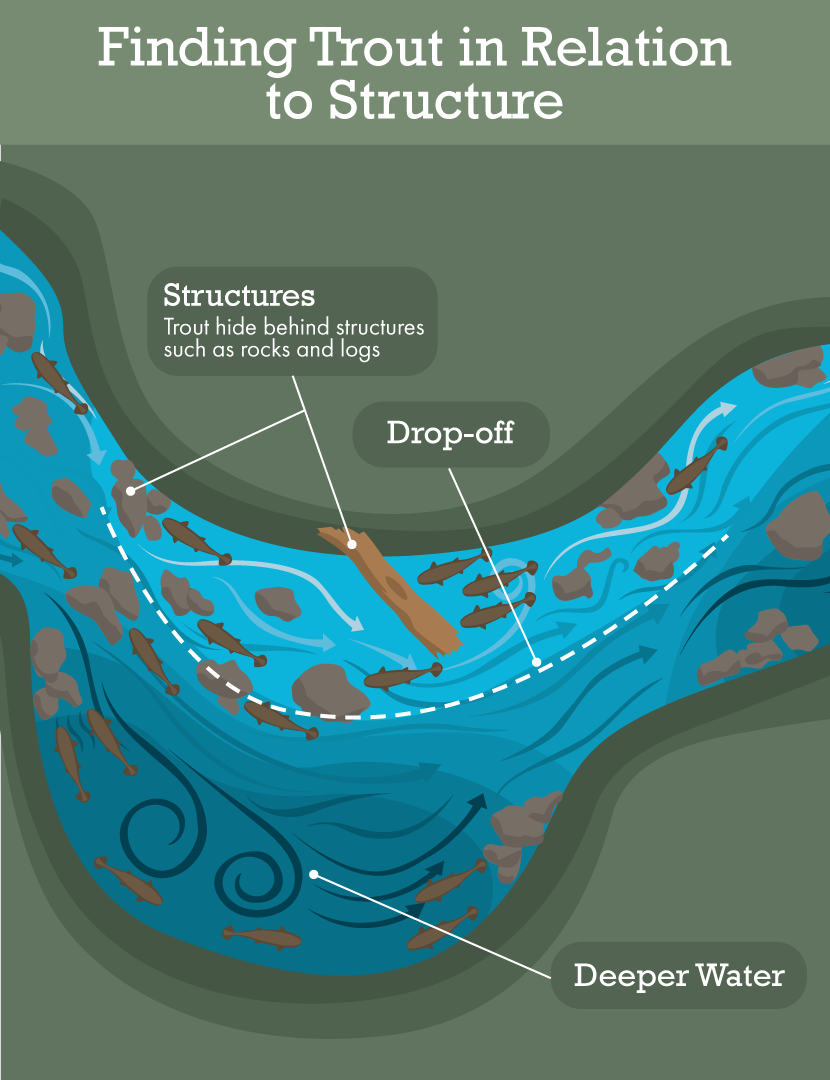
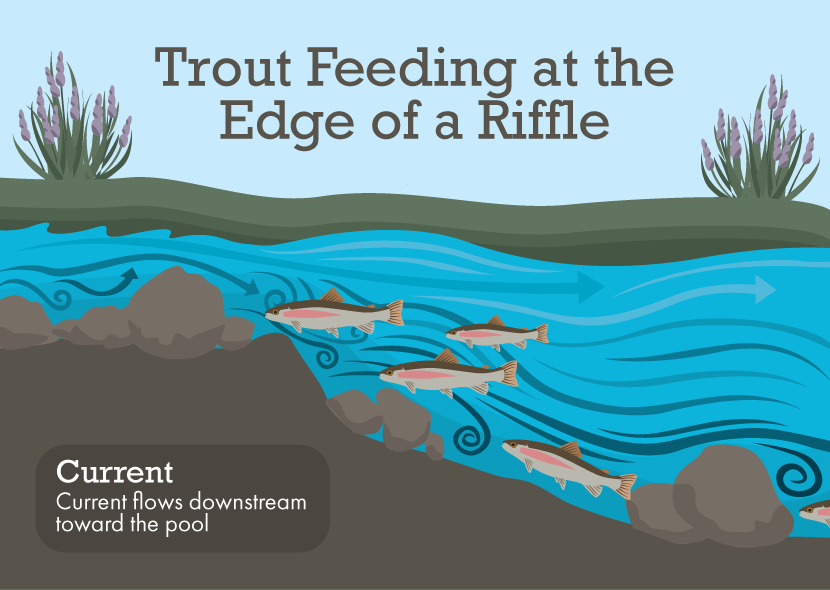
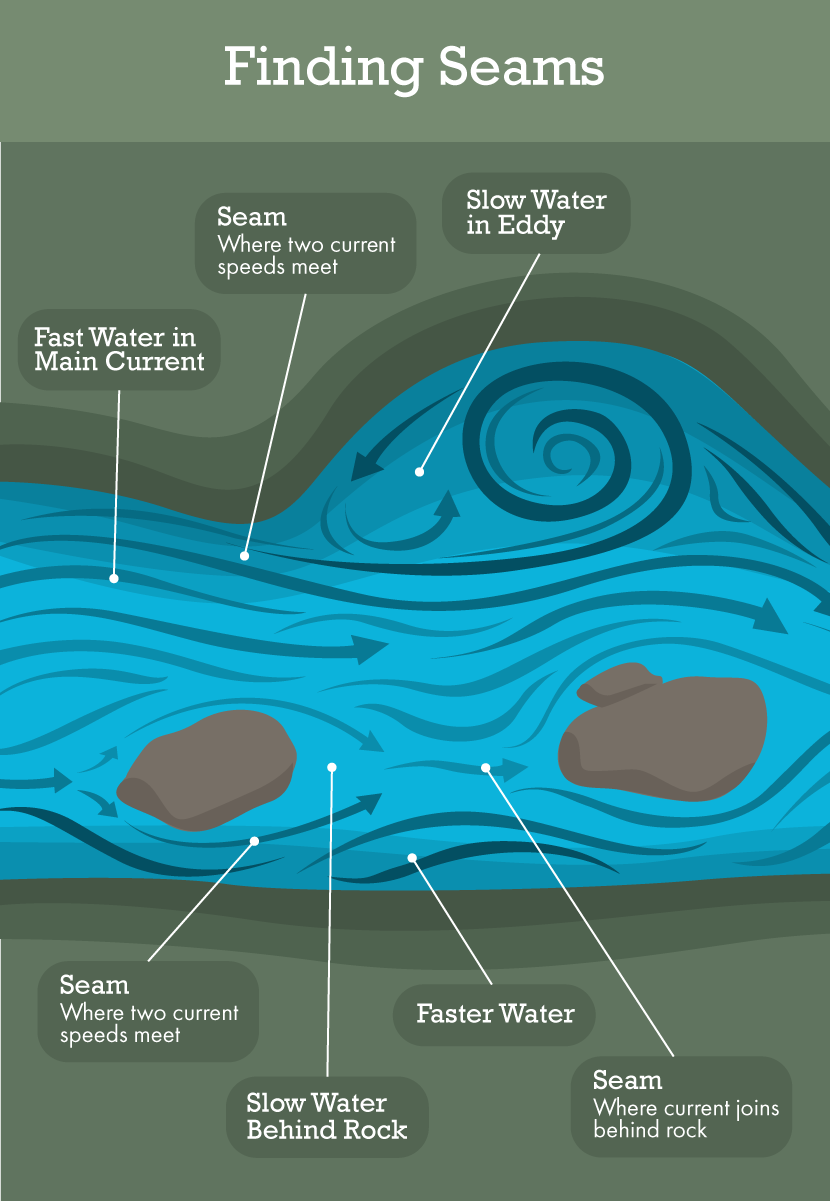
Ok if you’ve followed the steps so far, the key now is to know where to fish on the beat. You’ve chosen a river and section that should fish well given the weather and streamflow conditions and now you are ready to throw in a line. This is equivalent to the old golf saying, you drive for show and putt for dough. The ability to read water and make a cast to a fish is paramount to success. You can be in the right area with the right weather, but if you can’t find the fish from there, you’re going to miss out. While we won’t get into the hows and whats of reading water in this post, we simply are going to state it’s importance. Spend time learning where fish hold and why they hold there and in combination with the above location factors, you can be relatively certain that you are now throwing a fly near a fish. This is good and all you need now is the right fly and presentation which we’ll cover next.
水の要因
君が今までこのステップに従っていたなら、次はbeatのどこで釣るかを知ることが重要だ。天候と川の状態が分かってから、釣るべき川と区間を選ぶ。もうラインを投げる準備ができている。言うなれば、昔のゴルフと同じで「ドライブはあくまでもショーで、パットが賞金になる」ということ。流れを読みキャストを行う能力は、釣りが上手く行くために絶対必要なものである。君は適当な天候とエリアにいるかもしれないが、もしそこから魚を確認できないなら、うっかり見逃しかけている。本投稿では、川の流れをどのように、何を読むべきかに踏み込みたくないけれど、それが「重要だ」とだけ言っておく。先に述べた地理的要因と合わせて、魚がいる場所とその理由について学ぶために時間を割け。魚の近くにフライを落としていることを、確信できるだろう。
フライ選択を理解する
いつでも、昆虫を君のフライにマッチさせるための最初のステップ
Fly selection, in it’s simplest definition is the ability to choose the right fly on any given occasion. How do you do that? Well, we’ll break it down a bit for you here and you can read that (it’s free) to get in-depth detail.
フライの選択の最も単純な定義は、どのような場面においても適切なフライを選択できる能力である。君はどうしているの?ここで、君のためにチョット噛み砕いて説明しよう。君は詳しく見ることが出来る。
KNOW YOUR BUGS
The first step is to know your bugs. If you don’t know the 13 major categories of insects that trout eat off the top of your head, you will struggle at some point to choose the right fly. Midges, Mayflies, Caddis, Stoneflies, Scuds, Sowbugs, Hoppers, Ants, Beetles, Annelids, Damselflies, Dragonflies and Water Boatman. Memorize those including their common sizes and colors if you can. This will help immensely when you’re on the water and after tying on your last 5 confidence flies, you still aren’t getting them to eat even though you can see them right there in front of you. They are eating something but you aren’t able to figure it out. If you know your bugs, you can systematically go through them and find what works. The better you get at knowing your bugs and learning the other skills we teach in
our fly fishing entomology course, the faster you’ll be at choosing the right fly. Most people can get there in a day, but someone who knows their bugs will figure it out faster and have more time to catch more fish.
自分の虫を知る
最初のステップは自分の虫を知ることである。もし君が、鱒が即座に(off the top of your head)捕食する虫の主な13種類を知らないなら、どこかで適切なフライを選択するのに悩むであろう。ミッジ、メイフライ、カディス、ストーンフライ、スカッド、ソーバグ、ホッパー、アント、ビートルズ、ミミズ、イトトンボ、ハエ、そしてミズムシがそれだ。これは川にいるとき、即役に立つ。信頼できる5種類のフライを巻いた後、眼前の直ぐ近くでさえ、魚に喰わすことができないでいる。魚たちは何か喰っているが、君はそれが何か分からない。もし君が自分の欠陥が分からないなら、システマティックに練習して、どれが効果的かが分かる。自分の欠陥を知り、我々の昆虫学(our fly fishing entomology course,)を学べば学ぶほど、より素早く適切なフライを選択できるようになるでしょう。大半の人はそこに1日中いるが、自分の虫を知っている人はより早く分かり、多くの魚を釣るためにもっと時間を裂く。
In addition to knowing the bugs, sizes and colors also know their stages and when they hatch per season. For example, during winter there is no need for hoppers, beetles or ants cause they are all terrestrials and are hibernating/dead until next summer when it warms up. Fairly obvious one of course, but can you answer what the primary months and hatches are for spring mayflies? That may be more difficult if you don’t know your bugs and their seasonality. You can often pick 3-5 insects/stages combos for any given season and fish those exclusively and get away with it. Knowing the seasonality really helps you narrow down the list. Fly selection, after all is really just a skill in learning how to choose the right fly the fastest through process of elimination.
If you have a good handle on your bugs, then you can take the next step.
虫を知ることに加えて、その大きさと色からもまた彼らのステージと羽化時期がわかる。例えば、冬の間、バッタ、カブトムシの必要性はまったく、またアリが全陸生昆虫といった状況になり、それらは暖かくなる次の夏までに冬眠しているか死んでいる。しかし明らかなのことは、春のメイフライに対する主な月と羽化について、君は答えることが出来るか?もし君が虫とその季節性をしらないなら、それはより難しいものになる。ある季節の3〜5匹の昆虫やその変態の組み合わせを掴み、独占的に釣りをして、それを持ち去ることができる。この季節性を理解することはフライのリストを絞るために本当に役立つ。結局、フライの選択は素早い除去過程を経て、適切なフライを選択する方法を学習する上での、1つの技術である。もしあなたが虫について良く理解しているなら、次のステップへ進むことが出来る。
PLAN YOUR FLY BOXES
All the bug knowledge in the world won’t help if you forget the right bugs once you get on the water. Use the bug knowledge to plan out your fly boxes by season or by river or by section or however it makes sense to do so. Check out our free guide on composing your fly box here and you’ll get a good handle on the many ways you can organize your box. Find what is right for where and how you fish and stock up your box accordingly.
Knowing your bugs puts the right patterns in the right boxes and sets you up for success on the river which is the last and final step in fly selection.
フライボックスの計画
もし、君がひとたび川辺に行って、適した虫について忘れているなら、世界中の虫の知識は役立たない。君のフライボックスに入れる虫に関する知識を、季節毎、川毎、区間毎に使え。あるいは、そうすることを理解せよ。フライボックスに詰め込むことに関して、我々の無料ガイドを済ませ、そしてフライボックス内に配置する、良いやり方が分かる。釣リに行くべき場所と釣り方を見つけ、それに相応しくフライボックスに仕込め。虫を知ることはフライボックスに適切なフライパターンを並べ、川の釣りを成功させ、それはフライ選択の最終ステップである。
MATCHING THE DINNER PLATE
Trout are almost always willing to eat. Sometimes they are opportunistic, other times selective to certain foods. It’s your job once on the river to observe the environment, what’s hatching or active under the water and tie that in with how and where trout are feeding in the water to make the best guess on what they are eating. Usually with the right bug knowledge, and proper flies chosen for your box, it only takes 1-5 tries to get the right fly that they are eating. Without the previous knowledge, it can be 10-15 or more and that can take an extra 1-3 hours to figure out cutting in deep to your fishing time. When I say match the dinner plate, I mean match what trout are eating, not just what’s flying around.
夕食の皿を合わせる
鱒はほとんど何時も食いたがっている。鱒はしばしば日和見的であり、また時には餌を選択する。川辺で環境を観測ことが君のやるべきことだ。何が羽化していて、水中で何が動いているか、そして魚たちが採餌しているモノをしっかり推測するために、鱒が水中で採餌している様子と場所と、それを結びつけよ。正しい虫の知識とフライボックスから適当なフライが選ばれるなら、鱒たちが採餌するフライを知るの通常は5回試すことになる。この知識がなければ、釣り時間は10-15回以上になるかもしれない。そして、深入りした君の釣り時間へのカットになることが分かるために、更に1-3時間を要する。僕が「夕食の皿を合わせる」と言う場合、鱒が食っているのもに合わせるという意味で、まわりを飛んでいるものに合わせるという意味ではない。
People see a caddis and immediately throw one on despite the fact trout are sipping some kind of emerger in slow tailout pools (sounding a lot like a mayfly hatch to me). So don’t just tie on what you see, try to figure out what the trout are eating based on their behavior and what we know about insect behavior.
To summarize, if you know your bugs, plan your boxes well and can use that knowledge to figure out what fish are eating, then you should be well on your way to choosing the right fly. At this point in the strategic steps, you’ve found active trout and have the right fly figured out, now it’s time to bring it home.
みんな川でカディスを見掛けると、すぐにそのフライを試して見る。実際の鱒はゆっくりした流れのテールアウト水面で何かイマージャーぽいものを啜っている(僕にはメイフライのハッチように聞こえる)。だかが、見えるモノをすぐに結ぶな。鱒の行動から鱒が何を喰っているか、虫の行動について知っているものな何か、を考えて見つけるようにしなさい。
要約すると、もし君が虫について理解しているなら、フライボックスの中身を上手に構成しなさい。鱒が何を捕食しているかを知るために、その知識を使うことが出来るだろう。そして、フライの正しい選択は上達するでしょう。その戦術的ステップのこの段階で、君は活発な鱒を見つけていて、考え抜いた正しいフライを持ったいる。今が、それを家に持って行く時だ。
プレゼンテーション
ここで、君のすべての計画を一緒にする
This is where it all comes together. I believe this is also why so many “presentation-junkies” think this is all that matters. I think a lot of times, we can go with people to a place that holds trout and fish flies that others do and then with good presentation get there with more fish. With all the information readily available these days on the internet to anglers, nearly all of it is around location and fly selection. Sure there are presentation tips on casting and double hauls and aerial mends which all help a lot, but the only way to get better with presentation is practice. The knowledge needs application and the amount of time needed to become excellent at presenting flies is longer than it takes to find good locations or the right flies. With all that said, it’s an important factor regardless of your opinions or pre-dispositions. Let’s break down the steps to a successful presentation in the steps you should think about.
これが、すべてを一緒にする場合だ。僕は、これもまた、そんなにたくさんのプレゼンテーション中毒患者がこれが重要と思う理由である、と信じている。僕は、人々を鱒のいる場所に行き、他の人が使うフライで釣り、そしてプレゼンテーションが良ければ、もっと釣れる、何度もと思っている。インターネット上の、この頃釣り人向けの容易に入手できるたくさんの情報を用いて、ほとんど全部は釣り場とフライ選択についての記事だ。確かに、キャスティング、ダブルフォール、空中でのメンドに関するプレゼンテーションの助言があり、それらは有益であるが、プレゼンテーションが上達するただ1つの方法は練習である。その知識は応用を必要とし、フライのプレゼンテーションを上達させるために必要なたくさんの時間は、イイ釣り場や適切なフライをみつけるよりももっと長くなる。と言うわけで、君の意見や体質にかかわらず、それは重要な要素である。じゃ、そのステップを、君が考えるべきステップで、上手いプレゼンテーションへ分解してみましょう。
THE RIGHT SET-UP | RIGGING RIGHT
If you don’t have enough weight, or aren’t deep enough, or have too heavy of tippet on or a host of other set up related issues, you’re going to struggle to get the right presentation. You can’t ice skate with out skates and the same is true for fly fishing, but the ice skates are the right rigging configuration for dry fly, streamer or nymph fishing. This changes for every day, location and setting, so you have to learn a lot of different set ups and their pros and cons in order to catch more fish more often. Take the time to learn different ways to rig up different presentations and keep them in your arsenal to be used at the right times with the right flies.
正しい仕掛け:仕掛けを正しく
もし君が十分なオモリを持っていないか、十分深く沈められない、あるいは、あまりにも重いティペットにしている、または関連したたくさんの仕掛けを持っていないなら、正しいプレゼンテーションができるまで、悪戦苦闘することになる。君はスケートなくして、アイススケートをすることはできない。フライフィッシングにおいても同じだ。しかし、アイススケートはドライフライ、ストリーマーかニンフのためには正しい道具類だ。これは何時も、場所と仕掛けで変化している。それで君は、もっとたくさんの魚を頻繁に釣るために、たくさんの異なった仕掛けと賛否を学習しなければならない。異なったプレゼンテーションを組み立てるための異なった方法を覚えるために時間を取り、正しいフライを正しい時に使われるように、それらを倉庫に保管しておけ。
THE CAST | GETTING THERE
The fish are rising in the back right pocket of that pool with multiple currents in between you and the fish. How do you get a good drift there? Well you can either cross the river or you can make a cast with appropriate slack to get the drift long enough to induce a strike. There are many times where the right casts will make the difference in the fish eating the fly or not. Focus on getting a good cast, that is accurate and sets you up for a good drift. Casting takes practice and changes based on whether your nymphing, using a dry dropper, straight dry fly fishing or streamer fishing as well as your surroundings. Highly dynamic, but with practice (which is fun!) you’ll get better and better knowing when to make the right casts in the right spots.
キャスト:成功させること
魚が、直ぐ後ろの、君と魚の間の複数の流れのあるプールのポケットでライズしている。そこで、君はどんなドリフトをさせるか?そう、君は川を渡渉できるし、ストライクを誘導するに十分な長さのドリフトをさせるために、適当なスラックを付けてキャストすることもできる。何回も、適切なキャストが魚がフライを喰ったり、喰わなかったりになる。良いキャストすることに焦点を当てれ。正確に。良いドリフトのために位置を決めれ。キャスティングには練習が必要で、オモリを付きニンフィング、簡単なフライ、ストリーマー、環境によって変わる。極めて動的に、練習して、より上手くなり、正しい場所へ正しいキャストをなすためのタイミングをより尻ながら。
THE DRIFT | DON’T SCREW THIS UP
You can make a bad cast and even have a semi-accurate fly pattern and yet a good drift will land you more fish. It’s the moment of truth and matters the most. What makes a good drift? Well the short-sighted answer is a fly presented most naturally, but the truth is actually much more complicated and makes my point on why this is the most important fly fishing article you’ll ever read. What makes a good drift is being in the right river on the right day with the right weather with the right streamflows with the right preparation and observation to choose the right fly from your well planned fly box with the right fly set up on your correctly chosen rod and line for the area with the most naturally presented fly possible over the trout. Read that twice if you need to (Forgive me grammar nerds I’m sure it’s not a great sentence, but I’m here to teach not worry over grammar.) All of your hard work, planning, observation, practice and patience come together on the drift. If you screwed up too many of the variables and pieces of the puzzle before, the drift won’t work. Then you’ll be that guy who has been casting to the same spot for the last hour, hoping the trout will change his mind and eat your fly instead. This is a key point in the understanding of the strategy behind an angler who consistently catches more fish vs anglers who get lucky on occasion with good fishing days but often struggles more than not. The more you get right on all the previous steps, the easier and more successful your drift will be.
ドリフト:失敗するな
君は下手なキャストができて、不正確なフライパターンがあり、いままでのところ、いいドリフトでたくさん釣っている。真実の瞬間だ。最も重要な。何がいいドリフトか?近視眼的回答は、もっとも自然にプレゼンテーションされたフライだが、実際に真実はもっと複雑で、何故、これが君が今まで読んだフライフィッシングの記事の中で最も重要であるか、を立証している。よく整理されたフライボックスから適切なフライを選ぶためには、いいドリフトを行うことは、適切な川で、適切な天候の適切な日に、適切な流れで、適切の準備と観察で、鱒の上をできるだけ自然なプレゼンテーションで、エリアにあったロッドとラインを選べ。必要なら、本記事を2回読め(僕の文章がダメなこと点はお許しを。でも、文法を心配することでは無く、教えるためにココにいるので。。)。君の熱心な努力、計画、観察、練習のすべては、ドリフトで一体になる。もし、君が以前、あまりにも多くのパズルのピースと変数に失敗しているなら、ドリフトは上手く行かない。それで、鱒が気分を変えるで、君のフライを喰うことを期待しながら、最後まで同じスポットにキャストし続ける釣り人になってしまう。これはいつもたくさんの魚をつる釣り人と、イイ釣りもあるが、どちらかと言うと悪戦する日の多い釣り人の間にある背後の戦術を理解することがキーポイントである。先のステップを正しく行えばおこなうほど、ドリフトはより簡単になり釣果に繋がるであろう。
If you’ve done a good enough job (which changes every time you’re on the water) on the previous steps, then you just need a natural drift which often means a drag-free drift where the fly moves naturally with the pace of the river flow. A good mend and proper line management sets up a nice drift and prepares you for the all important hookset and landing where fish are put to your net and you can claim success on a long journey of decisions and variables that you successfully navigated to fool a trout, which by the way has a pea-sized brain. I laugh a bit as I write this because for all of us as anglers, this probably gets you all excited to get out and fish, but you read this to someone who doesn’t fly fish and all they see is a ton of money, work and effort to catch a dumb little trout. It’s remarkable how many things have to come together for a successful catch of a trout. Helps us remember how fortunate we are to catch them in the first place and how the journey is perpetually rewarding.
もし君が先のステップですばらしく上手くやったなら、川の流れと同じペースで移動するドラグの無い自然なドリフトが必要になる。すばらしいメンドとラインさばきがいいドリフトを生み、重要なフッキングとランディングの用意へと繋がる。そこでは、魚は君のランディングネットに向かい、決断と不確実の長い道のりにおいて、勝利したと主張できる。豆サイズの脳みその鱒を騙すために、上手く誘導できた。この記事を書いていて、チョット可笑しかった。と言うのは、釣り人として我々みんなにとって、このこれがおそらくワクワクさせ、釣りにいかせるから。でも、君はフライフィッシングをやらない誰かのためにこの記事を読み、彼らが考えているものは大金、仕事、そしてそのちっぽけな鱒を釣る努力なのだ。一匹の鱒をうまく釣るために、如何にたくさんのことを一緒にしなければならないか、は驚くべきことだ。それは、そもそも釣りは運で、旅は永遠のご褒美であること、を思い出すのに役立つ。
So in summary on the presentation side, it takes the right set up, the right cast and the right drift to put a fish to net. It’s simple if you state it that way, but the last 3500 words discuss here really help break down the details of how to systematically take a strategic approach that works in catching fish. Now it’s time to bring it all together and help you understand with some examples.
プレゼンテーションについてまとめると、魚をネットに誘導するために、適切な姿勢(set up)、適切なキャストと適切なドリフトを取ること。もし君がそのように言うなら簡単だが、3500の言葉が、釣りで上手く行くシステマティックな戦術の取り方を詳しく噛み砕くのに有益だ。
いくつかの例でまとめる:これがこの枠組みが役に立つストーリーだ。
Using this framework will help you immensely on the river because when things don’t go right, you won’t just keep trying harder, but instead, take a step back and ask yourself which variables you are missing. This makes a huge difference in your fly fishing success. Sometimes it’s as simple as putting on another split shot, other times, you may realize you need to move up river or try a new river all together. The point is that when you struggle on the river, it’s often for a reason, and to start catching more, you need to adapt and switch it up. If you can be adjusting and honing in the strategy for the day, you’ll catch more fish. Let’s go over a couple examples that will help bring it together.
川では、この枠組みを使うことが非常に有益である。と言うのも、物事がうまく行かないとき一生懸命したくない。その代わりに後戻りして、自分にどこが間違ったか考えてみよう。これは君のフライフィッシングに大きな進歩をもたらす。ときには、単にスプリットショットを加えるだけの単純なことだ。また、ときには川を上流へ遡ったり、みんなで一緒に新しい川を試す必要性に気が付くだろう。川でもっとたくさん釣りるために悪戦苦闘していとき、時々あることだが、それに応じて、発想を切りかえる必要がある。もし戦術を調整して研きをかけているなら、たくさん魚を釣れるようになるだろう。その例を調べてみよう。
Example 1 – Waiting on the Weather
I was fishing the Crystal River up in the Roaring fork valley in 2017 in early spring. I was out doing research for my membership, the river explorer and was in the upper section of the crystal river working my way downstream. I knew the crystal held fish and the season was right for the water to be productive for fishing. The flows were in great shape and I had a series of stoneflies, baetis and midges that should be active in the river. In short, I had everything well planned out considering streamflows, section of river to fish, likely holding water, fly selection and a good nymphing rig set up that seems to always work well for freestones. The weather reports had a chance of snow and rain, but it was spotty at best and for early spring in the Rockies, every day has a chance of…well everything. So with best laid plans I came down from the pass near Marble and made my way to the river. It was sunny and gorgeous and I had spotted some BWO on the water and fish were rising. Just like I planned I was ready to tie on some dries and get to fishing. However, by the time I got rigged up and cracked open a beer, the wind started gusting at 30mph, snow came pouring in over the mountains and I was in the middle of a spring blizzard. Within 5 minutes, the BWO’s were gone and so were the rising fish. Instead of waiting it out, I switched up to a nymph rig and began working the water where I noticed fish were rising. 30 minutes of fishing and not a single hook up. The weather had shut things down. So with that, I decided to hop back in the car and move downstream a little as the storm was isolated. 15 minutes later and ¼ mile downstream, the sun came back out and began to melt what had just came down. The wind slowed and the warm sun started to heat the water. I decided to stick to my nymph rig (baetis nymphs and SJW combo) and was able to catch half a dozen fish in about 15 minutes.
例1:天候を待つ
僕は2019年の早春にRoarig fork 渓谷のCrystal 川を釣り遡っていた。僕は会員として研究としての川探索をしようとしていて、川の上流域から苦労して下流へ下った。Crystal川に魚がいることは分かっていた。この時期は釣りにいい状態だった。川の流れはいい感じで、この川で有効な川虫、カブトムシ、そしてミッジの一連のフライを持っていた。要するに、川の状態を考慮しながら、釣る区間の選定、フライの選定、フリーストーン(ミネラル分の少ない流れ、日本では通常の川の流れ)で活躍しそうなニンフ仕掛けなど、すべてがうまく計画できていた。天気予報は雪と雨の可能性を述べていたが、天候はせいぜいマダラ模様であり、ロッキーの早春の間、毎日いい釣り日よりになる可能性があった。よく練られた計画(best laid plans)で、Marbleの小道から下り、川へ進んだ。晴れの日で、陽気が良くて、僕は水面に数匹のBWO(Blue Winged Olive)フライに、魚がライズイングしているのを見つけた。思ってた通りで、僕はドライフライを巻き、魚を釣る準備ができていた。しかし、釣り仕掛けを装備してビール瓶を開けるまでに、風は30mphで吹き始め山の上に雪が激しく降ってきた。僕は春の嵐のど真ん中にいた。5分経たないうちにBWOは消えて、ライズする魚が見えてきた。終わるのを待たずに、ニンフ仕掛けに変えて、魚がライズしている場所へ向かった。30分ほど釣ったが、アタリは無かった。天候がライズィングを止めてしまった。それで急いで車に戻って、嵐の影響を受けていない下流へ移動することを決めた。15分後、1/4マイル下流は日差しが戻っていて、嫌な雰囲気を溶かし始めていた。風は弱くなり、日光が水面を暖め始めていた。僕はニンフ仕掛け(カブトムシとSJWコンボ)で釣ることを決め、15分間ほどで6匹ほど釣ることができた。
Making a few adjustments in this story not only kept me warmer, but put me on more fish. Let’s discuss those changes in more detail now. Firstly, I adjusted to the weather and the change in fish activity by switching to a nymph. While this wasn’t enough at the first spot which clearly held fish but not ones that wanted to eat anymore, the next spot proved nymphing to be the most productive option. If I had just stuck it out in that one hole, even when the sun came back out, it wouldn’t be likely that fish would start rising again. It’s possible, but they weren’t eating my nymphs and waiting around would have just left me in the storm, but I was able to change location and find sunny, more productive water. When in doubt keep moving, it really pays off. The second change was switching to a nymph set up. While the fish did come back up to dries 4 hours later even further downstream (of which I fished and caught a couple) to wait those 4 hours hoping for a hatch to come off would have been a poor way to maximize my day. Instead I was able to wait for the hatch while nymphing and catch 15 more fish before they started rising again. Even then I’ll bet I could have kept catching them on nymphs, but dries were more fun since I had already had success on the nymphs. As I hope this story illustrates, it doesn’t take a lot of major changes, but instead a few minor ones as you adjust to the environment and the feedback you get from the fish. Paying attention like this, applying the knowledge you have, and always focusing on maximizing your opportunities will put more fish to net day in and day out.
この話を少し修正すると、厚着を着込んだだけでなく、更にたくさん魚を釣ったことだ。もっと詳しくこの変化について述べていこう。第一に、フライをニンフに変えることで、天候と魚の活性の変化に適応した。魚はいるが食い気のない魚がいた最初のスポットでは、これは十分でなかったけど、次のスポットではニンフが最も効果的であることを示せた。もし、僕が1つのホールに固執していたら、天候が回復してたとしても再度魚がライズし始めると思えない。ニンフを喰わず、僕を嵐の中に釘付けにする可能性もあった。でも、場所を変えて晴れた場所を見つけ、そして釣れる場所に辿り着けた。移動することに迷っているときに、まさに努力が報われた(pay off)。二番目の変更はニンフ仕掛けへ切り換えたことだ。4時間後に更に下流で、魚はドライ・フライに向かうようになったけど、ハッチが止むのを期待しながら4時間待つことは一日を楽しむには下手な手段となったであろう。代わりに、僕はニンフィングの間、ハッチを待つこと、そして再度ライズが始まる前にドライで15匹以上釣ることができた。でも、ニンフで釣り続けることはキッとできたでしょうが、ニンフ釣りはもううまくなっていたので、ドライはもっと楽しいかった。
僕はこの話が本主題を例示していることを望んだが、多くの変更でなく、周囲の状況と魚の反応に応じて調整するような小さな変更であった。このように、注意を払い、持てる知識を応用して、常に機会を最大化することに焦点を当てることが、常にもっとたくさん釣れることに繋がる。
Example 2 – High Water Annelids
One day fishing last year up in South Park on the south platte river, I was struggling to put fish to net. The weather was good, it was late spring right before run off and they had just recently had some good rains. I came prepared with several mayfly nymph patterns such as a Frenchie and mercury baetis, and a few stonefly nymphs as well that I knew worked well up there as I fish up here often. My experience and knowledge helped me pick a good set of flies to start nymphing with and I started working the runs and holes knowing this time of year these would be the best sections of water to fish. An hour went by with very little luck. I had caught about 2 or 3, but because I knew the area, I knew there are enough fish in here to be catching 9 or 10 by this point. I knew I was missing something. I sat down and took a minute to think and all of a sudden it dawned on me as I looked at the banks. The water was a little off color and the water was substantially higher than normal. I had forgotten to check the flows or even pay attention when I was on the river, but after some mediocre success I was determined to dial it in. Higher flows from rain in spring time can often mean cranefly and annelid (worm) being a major food source in the water. Sure enough, I stuck my bug seine down in the water and pulled up several red and pink/flesh colored annelids. Well, it took no more than 3 casts after switching to a double squirmy worm rig to catch a fish. It was lights out the rest of the day. Sure the fish were eating other bugs, but they were on the annelids hard. With over 40 fish to the net by days end, it was one of the more memorable days I’ve had up there.
例2:高水位のミミズ
昨年、南platte川のSouth Parkで釣り上がったとき、ネットに魚を入れるのに悪戦苦闘していた。天候は良く、融雪水(run off)前の晩春で、十分な雨が最近あった。僕は、FrenchieとMervury baetisのメイフライ・ニンフフライと、ここを釣り上がったとき良く釣れたストーン・フライを用意していた。経験と知識がニンフィングで釣りのフライ選択で役に立った。そして、ここがこの時期、釣りに最高の区間であるとを知りながら、僕は川の深瀬とホールを釣り始めていた。ほとんどアタリがなくて、1時間過ぎた。数匹釣ったが、このエリアを知っていたので、この時点では9-10匹釣れるだけの魚がいることを知っていた。僕は何かヘマをやってしまったことが分かった。僕は座って数分間考えた。川岸を眺めていたとき、不意に(all of a sudden)、分かった。川の流れが少し濁っていて、水位は通常よりかなり高かった。水量をチェックすることを、川で注意することさえ忘れていたのだ。が、少し釣れてから、集中しよう(dial in)と決めた。春、雨で水位が高いと、川の主な餌がガガンボ(cranefly)と環形動物(annelid worm)であることを意味する。案の定(Sure enough)、甲虫採集網を水の中に差し込んで、いくつかの赤・ピンク色の環形動物を採取した。そして二本掛けのミミズ・ワームに仕掛けを変えてから、3回以上キャストしなかった。その日の残りはまったくダメだった。魚が他の虫を食っていることがわかったが、魚は環形動物に夢中だったのだ。連日(for days end)、40匹以上釣りあげ、此所で最も記憶に残る日になった。
So this one is pretty obvious what I did wrong. Poor planning and not checking flows or past weather patterns before would have put me on the “worm hatch” much sooner or at least kept the idea in my head to try. The right thing I did here was to step back and consider if I could be doing better than just a couple fish per hour and see if there was something I could improve. Sure enough, the increased streamflows led me down a path that the bug seine from the entomology course helped solidify and the rest is history. One of my best fishing days of the year last year and all thanks to keeping the right framework in place and strategy while on the river. Another quick note that helped me even more was adjusting my nymphing set up. While a strike indicator was working, I was able to catch even more by ditching the indicator and thus reducing the drag of the increased flows getting my flies down deeper, faster and longer in the strike zone. A change in presentation once you have location and fly selection figured out can make it seem like you’re almost cheating….almost.
そう、私が間違っていたことは明らかだ。未熟な計画と、水位や過去の天候データの未確認が予想を超える早さの蠕虫の発生(worm hatch?)に間に合わせたか、少なくとも試すためのアイデイアを維持していただろう。僕がここで行った適切なことは、時間当たりの匹数よりも、振り返ってよりましなことをしていたかどうかを考え、改善できそうな点があるかどうかを調べたことだ。案の定、川の水位上昇は、昆虫学コースの川虫採集網が滑り止めとして役立つということになり、残りはご存じの通りだ。昨年の最高の釣り日1つは、川でいる間、釣り場とその戦術に正しい枠組みを保ったお陰だ。更に大変役立ったことは、とりあえず(quick note)はニンフ仕掛けを調整することだった。ストライク・インディケータはよかったけれど、インディケータを取り外してから、たくさんの魚を釣ることが出来た。それはフライをストライク・ゾーンに、より深く、速く、長く留まらせるために、増水した流れでのドラッグを軽減させるためだ。考え抜いた釣り場とフライを選んで、プレゼンテーションを変えることは、もう君はほとんど浮気しているも同然だ。
Commit to Becoming a Better Angler
I don’t want to understate the many additional reasons we fly fish. From the nourishment it provides our souls in rest, views and solitude, to the friendships that develop through countless fish stories and memories, and to the satisfaction it yields when you outsmart the fish with your well-presented and strategically thought out fly selection, cast and hook set. All of these reasons are incredibly important and add to the awesomeness that is experienced on the river. With that said, we all know we want to catch more fish more often and by keeping a strategic mindset, using the location + fly selection + presentation framework and continually making adjustments until we get the desired result, we can really maximize the enjoyment we get from fly fishing. Challenge yourself and commit to becoming a better angler and use the tips found here to really maximize the success. We hope you enjoyed this very detailed article and hope it sets you on a course to become a better angler.
より良い釣り人になるためのコメント
僕は、我々がフライフィッシングを行う理由を控えめに述べたくない。休養に精神、景色、孤独を与える栄養から、無数の魚の物語と記憶を展開する友情と、そしてうまいプレゼンテーションと戦術的に考え抜かれたフライの選択、キャスト、そしてアワセで、魚を出し抜きいたときに生まれる満足感へ。これらの理由すべてが信じられないくらい重要で、川辺で経験される凄さを強化する。そうは言うものの、釣り人はもっとたくさん釣りたいことをみんな知っている。戦術的なモードで、場所+フライ選択+プレゼンテーションの枠組みを使いながら、良い結果になるまで調整しながら。実際にフライフィッシングから得られる喜びを最大化することができるのだ。自分で挑戦し、より優れた釣り人になることを心がけよ。そして、実際に成功を最大化するために、ここで述べた小技を使え。君がこの記事を楽しだことを、そして君がより良い釣り人になることを望む。