ラベル 姫鱒 の投稿を表示しています。 すべての投稿を表示

11/12/2019

This is the Difference Between Rainbow Trout and Kokanee Salmon

This is the Difference Between Rainbow Trout and Kokanee Salmon    written by Malachi Rhyker 

これがニジマスとヒメマスの違いだ


Rainbow Trout and Kokanee Salmon are the two most targeted fish on the west coast. They are both delicious fish and are both fun to catch, two of the main reasons they are so popular. There are many fisheries on the West Coast, from California to Canada and Alaska, that have made it their purpose to maintain a steady population of Rainbows and Kokes in the lakes and surrounding rivers.
 ニジマスとヒメマスはアメリカ西海岸で最もターゲットになる魚だ。両方とも美味しくて、釣るのが楽しい。それで、この2種類の魚は非常に人気がある。カルフォルニアからカナダ、アラスカまでの北米大陸の西海岸にはたくさんの養殖場があり、その目的は湖と周辺の川で、ニジマスとヒメマスの個体数を安定的に維持することである。
But what is the difference between Rainbow Trout and Kokanee Salmon? Rainbow Trout are a type of ocean-going trout with two branches of species. The steelhead branch spends most of their time in the ocean, while the main branch spends all of its time in freshwater. Kokanee Salmon are landlocked in lakes and even those in rivers do not have the urge to seek the ocean. 
 で、ニジマスとヒメマスの違いは何か?ニジマスは2つの種系統を持った降海型の鱒である。1つの系統のスティールヘッド系は多くの時間を海洋で過ごし、他方もう1つの系統の主系統の方は淡水で過ごす。ヒメマスは湖に陸封されいて、川に棲むヒメマスでさえ降海しようとしない。

Rainbow Trout

ニジマス
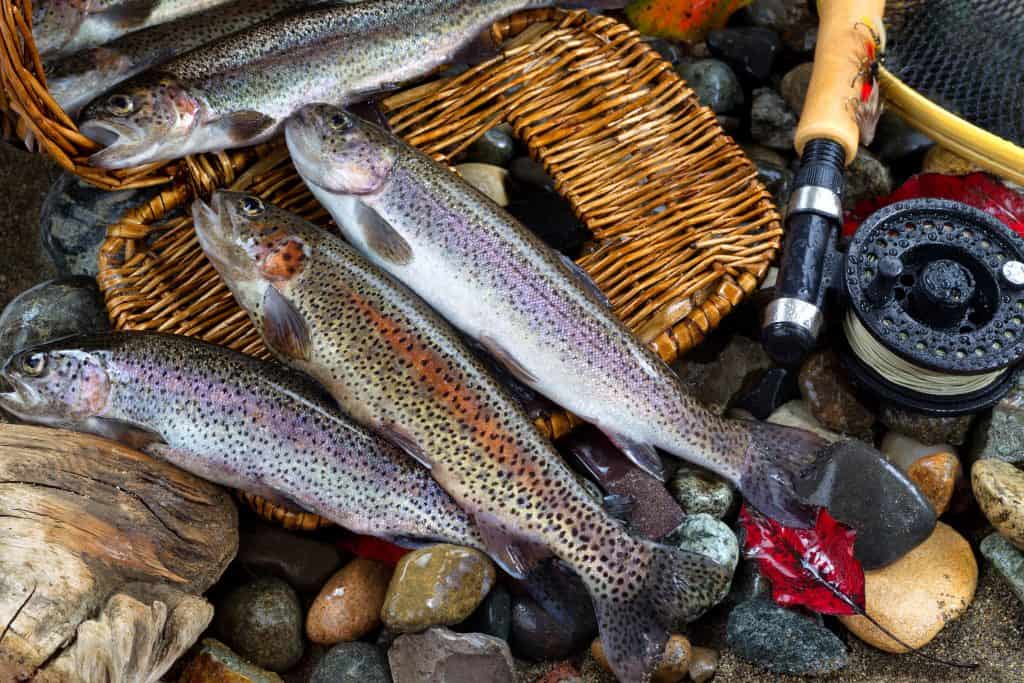


Rainbow Trout have two branches, or subspecies considered Rainbow Trout. The main branch, simply called Rainbow Trouts, are smaller than the other branch. These are usually the fish that are talked about when talking about Rainbow Trout. They taste amazing and give a good fight on the hook.
 ニジマスには2つの系(ニジマスと考えられる亜種)がある。主系は単にニジマスと呼ばれ、もう一方の系よりも小型である。これは通常ニジマスについて話すときに、話されれる魚だ。味は美味しくて、釣れたときのファイトは素晴らしい。
The second branch are called Steelhead Rainbow Trout. Steelheads are ocean-dwelling trout that are bigger and more aggressive than river Rainbows.
 2つ目の系はスティールヘッド・ニジマスと呼ばれる。スティールヘッドは海洋の鱒で、川のニジマスよりも大きくて攻撃的だ。

Biology

生物学
The average size of a rainbow trout, not a steelhead, is around 2 – 5 lbs. This is a good sized fish to eat, and one can feed one person easily. When I catch Rainbows, I usually catch three or four, depending on the bag limit, and feed my family a delicious dinner. The Rainbow Trouts have an average length of around 12 – 30 inches.
ニジマスの平均的なサイズ(スティールヘッドではない)は2-5lb(1-2.5Kg)である。これは食べるのにいい大きさで、1匹で一人分になる。ニジマスを釣るとき、バッグ制限によるが普通は3−4匹釣り、家族に美味しい夕食を食べさせる。ニジマスの平均体長は12-30インチ(30-76cm)である。
A steelhead’s average weight is 8 – 11 lbs. They are larger than rainbows for sure, and because of this, they usually travel to the ocean to get more nutrients to survive with that weight. The average length is 20 – 35 inches. 
 スティールヘッドの平均体重は8-11lb(3.6-5Kg)である。確かにスティールヘッドはニジマスより大きい。このため、その体重を維持するために栄養を取りに海洋へ出て行く。その平均体長は20-35インチ(50-90cm)である。
A freshwater rainbow trout can have all the colors of the rainbow of their back and sides, or they can be a dull olive-brown or dark blue. Their bellies are usually silver or pale, but are always a lighter color. The colors of their scales depends on their location, maturity, and sex.
 淡水のニジマスは背中と体の両サイドに全ての色があるか、オリーブ・ブラウン色かダーク・ブルー色である。通常、腹はシルバーか青白で、いつもは薄い色だ。鱗の色は場所、成熟度、そして性別による。
The steelhead variation tends to be more silvery and narrower in proportion, while being longer and larger.
 スティールヘッドの変形は、より銀色と体型がより細く、より長く、より大型になりがちだ。

Lifecycle

生活感
Rainbows can spend their entire lives living in a river, returning to a specific point in the river to spawn. Unlike other types of fish, the trouts can spawn multiple years in a row without dying. Some trout spend part of their lives in the ocean, but they always return to the rivers and streams to spawn, or to lay their eggs. They start to spawn around 3 or 4 years of age.
 ニジマスは一生涯、川で過ごし、産卵のために川の特定の場所に帰っていく。他の魚と違って、鱒は死ぬことなしに、連続して複数年に渡って産卵できる。ある鱒は生涯の一期間を海洋で過ごし、産卵のために川に戻ってくる。だいたい3-4歳になると産卵を始める。
Steelhead trout spend the majority of their lives in the ocean, returning only to spawn. Steelheads are larger than rainbows and are so because of the rich nutrients found in the ocean. The rivers would not be able to support a trout that big, unless the population of fish was depleted to nearly zero.
 スティールヘッドは生活の大半を海洋で過ごし、産卵のためだけに川に戻ってくる。スティールヘッドはニジマスより大きい。何故なら海洋では豊富に栄養が見いだせるので。もし魚の数がほとんどゼロ近くに減らないなら、川は鱒を大きくすることが出来ない。
When rainbow trout spawn, it doesn’t matter too much if the parent was a residential rainbow trout or a steelhead rainbow trout. The offspring could be either a steelhead or a smaller river rainbow trout.
 ニジマスが産卵するとき、その親がニジマスかスティールヘッドかは大きな問題ではない。その子孫はスティールヘッドか小川のニジマスのどちらかになる。
Both the freshwater rainbows and the steelhead can live around 11 years, but not many make it to being alive that long. They tend to average around 4 – 6 years.
 淡水のニジマスとスティールヘッドの両方の魚はだいたい11年間生きる。

Kokanee Salmon

ヒメマス
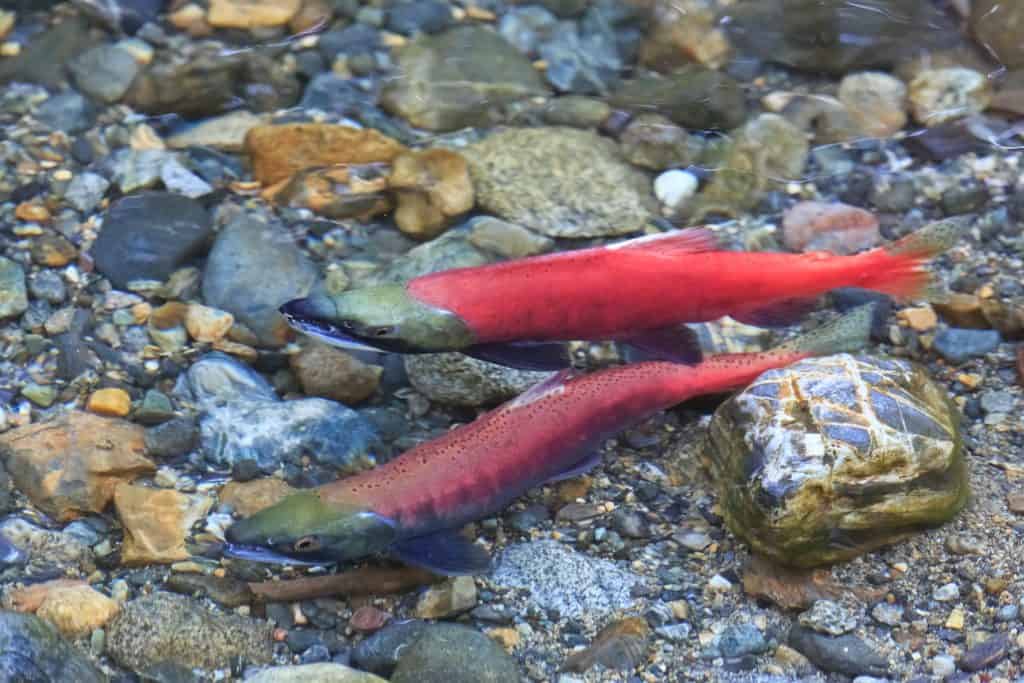


Kokanee Salmon are actually land-locked Sockeye salmon, a different ocean-dwelling fish. Kokanee salmon, or Kokes, spend their complete life in fresh waters. Some populations are completely stuck in the lakes they live in, while others have access to rivers and streams. Some even have a way to the ocean, but do not choose to return there.
 ヒメマスは、実際は異なった海洋魚- 陸封された紅鮭である。ヒメマス、またはコッキーは淡水で生涯過ごしている。ある個体は、彼らの住む湖からまったく抜け出せないが、ある固体は川や小川にアクセスできる。ある湖や川は海洋に繋がっているが、そこへ帰ることを選ばない。

Biology

生物学
Kokanee salmon, although related to Sockeye salmon, are a lot smaller than their ancestral species. Because the lakes and rivers don’t have enough nutrients, or in their case plankton, the Kokes cannot get as large as the ocean-dwelling Sockeye salmon. 
 ヒメマスは紅鮭と親戚であるが、先祖の種より、かなり小型である。湖と川には十分な栄養分やプランクトンがないので、ヒメマスは海洋の紅鮭のように大きくなることができない。
The average weight for a Kokanee salmon is only 1 lb. Some can get up to 3 – 5 lbs, but that is not very common. Most that get close are caught by humans or eaten by other fish, usually rainbow trout. 
 ヒメマスの平均的体重は僅か1lb(0.5Kg)である。あるものは3-5lbを越えるが、これは一般的でない。近づいてきた大半のヒメマスは人間に釣られるか、他の魚、普通はニジマスに喰われる。
The average length of a Kokanee salmon is 9 – 12 inches.
ヒメマスの平均サイズは9-12インチ(22-30cm)である。
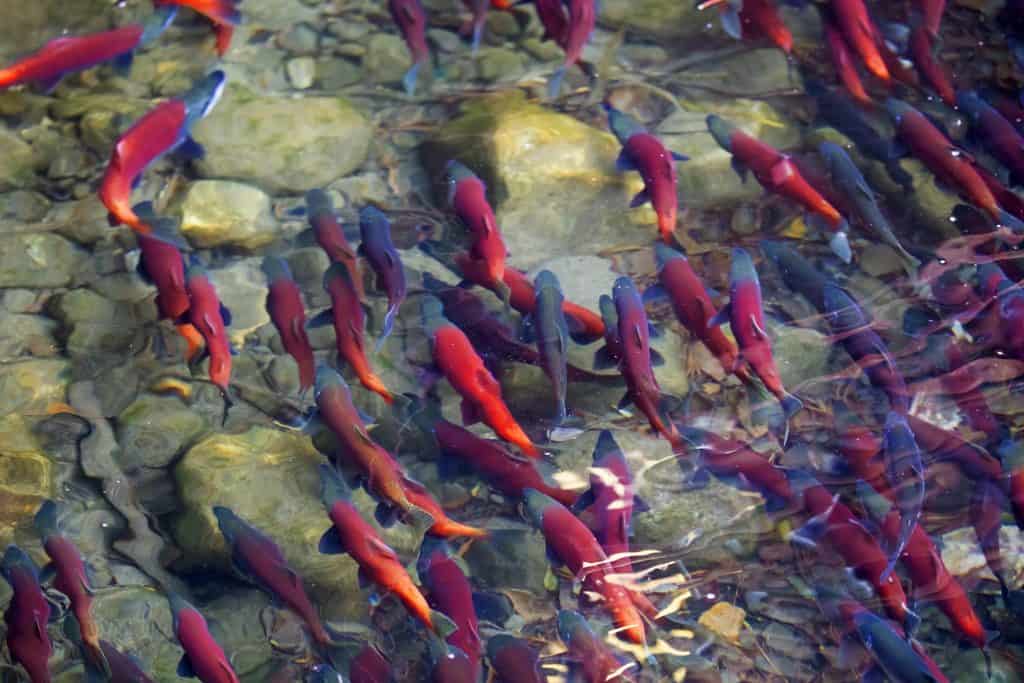
Kokanee salmon are silver fish, but only until its time to spawn. When that time comes around, the males turn a deep red and start to develop a hump on their back. Their jaw becomes hooked and they get some wicked looking teeth. 
 ヒメマスは産卵期までは銀色をしている。産卵期が近づくと、オスは深紅色になり、背中が迫り出してくる。また顎は鉤状になり、凄い歯のようなものを持つことになる。
When the males turn red, their meat begins to ripen. This is because as they start to get ready to spawn, their bodies begin to die. The red is the first indicator of a dying fish, so when it starts, their meat deteroriates.
 オスの体が赤く変色したとき、その肉は熟し始めている。これは、産卵の準備が開始すると彼らの体は死に始めるからである。

Life Cycle

生活環
The life cycle of a Kokanee salmon is pretty standard. Starting at an egg placed in a stream, most Kokanee salmon start life off in a small stream. Once they get big enough, they travel to a lake or a river, if they aren’t already there.
 ヒメマスの生活環は非常に標準的だ。小川の産卵した場所でスタートし、大半は小さな小川で生活を開始する。十分に大きくなると、もうそこに居ないなら、湖や川に向かっていることになる。
Once they arrive there, they usually spend the rest of their lives in that one lake, occasionally getting hooked by a fisherman, or chased/ attacked by rainbow trout.
 そこに辿り着くと、普通はその湖で残りの生涯を過ごす。ときどき、人間に釣られたり、ニジマスの追跡や攻撃を受けたりしながら。
Kokanee salmon never enter a saltwater body of water in their lives. They spend 100% of their time in freshwater and most populations are completely stuck in a lake of some sort. 
 ヒメマスは生涯において、決して海水に入らない。100%、淡水で過ごす。大半の個体は
完全に何らかの湖から抜け出さない。
There are many fisheries that place fish into lakes to get a population going. These fish will face many hardships after being introduced to a new lake. 
 個体数を増やすために魚を湖に放しているたくさんの養殖場がある。新しい湖に放されたのち、魚は多くの困難に直面している。
Sometimes the food sources aren’t enough to support a large number of them. There is also the fear of rainbow trout eating them.
 あるときは、食物源が大量の魚を維持するのに十分でない。また、彼らを捕食するニジマスの脅威もある。

Differences between Rainbows and Kokes

ニジマスとヒメマスの違い
Trout and salmon are very similar, but they are different species of fish and thus have their significant differences
 鱒と鮭は非常に似ているが、彼らは異なった種であり、かなり異なっている。
Diet – Rainbow trout are omnivores, meaning they eat plants and meat. Usually, rainbows eat insects that fell into the river, but they also eat mice and frogs, and are known to eat other fish. Rainbow trout, especially the steelheads, love to eat Kokanee salmon. They do not eat other rainbows, however.
 エサーニジマスは雑食である。つまり、植物と肉を食べる。普通、ニジマスは川に落ちてくる昆虫を食べるが、ネズミや蛙も食べ、他の魚を食べることも知られている。ニジマス、特にスティールヘッドはヒメマスを食べることを好む。しかし、他のニジマスは喰わない
Kokanee salmon are strictly plankton eaters. This can be hard on them because the plankton are very sensitive to levels of oxygen. If the levels of oxygen are depleted enough, then there can be a wipeout of the Kokanee salmon’s only food source. Many winters, the Kokanee get very close to this point, but somehow every year, the plankton come back for the spring.
 ヒメマスは厳密にはプランクトン捕食者である。プランクトンは酸素濃度に非常に敏感なので、これは彼らにとっては過酷にちがいない。もし酸素濃度がかなり低いなら、ヒメマスのただ1つの食物源は全滅してしまうだろう。冬、ヒメマスは、毎年春にプランクトンがある程度戻ってくる非常に近くのところへ行く。
Caudal Fin (tail) – Rainbow trout’s tails are not notched very much. They are more square than they are forked. Kokanee salmon, on the other hand, has a very notched tail. The dorsal fin on the Kokanee is more of a right triangle, starting from the point of the fin. On a rainbow, the tip is created by an obtuse angle that gives it more of a sloping look compared to the Kokanee’s drop-down fin.
 尾鰭ーニジマスの尾鰭は切り込みが大きくない。別れているというよりも四角い形だ。他方、ヒメマスは切り込みのある尾鰭をしている。ヒメマスの背鰭はほとんど直角三角形で、鰭の間際から始まっている。ニジマスの場合は、突端部は鈍角になっていて、ヒメマスの急勾配の鰭と比較して、緩やかな傾斜である。
Location – Kokanee can only be found fresh water such as lakes and some rivers. Most Kokanee can only be found in the North Western parts of America, including the USA and Canada.
 場所ーヒメマスは湖とある川のような淡水でのみで見られる。大半のヒメマスは、アメリカ合衆国とカナダを含む北米の北西部だけで見られる。
Rainbow trout have been introduced to every continent on the planet, with the exception of Antarctica, successfully. Rainbow trout can live in freshwater lakes and rivers, but can also thrive in the salt waters of oceans and seas. The freshwater branch are small enough to live in some streams as well.
 ニジマスは南極を除く地球上の全大陸に、うまく移入されている。ニジマスは淡水の湖と川に生息するが、また大洋と海の海水でも成長することが出来る。淡水の支流は、ある小川で健康に生きるには小さすぎる。
Kokanee salmon and rainbow trout are very similar in some ways, but in others, they couldn’t be more different. They are both extremely tasty fish and are fun to catch. Try your luck with catching these and see just how fun they can be to catch and eat yourself!
 ヒメマスとニジマスはある点では非常に似ていて、他の点では大きな違いはないかも知れない。両方とも非常に美味しくて釣るのも楽しい。自分で、これらの魚を釣って食べて、その楽しさを知ってみろ。

Related Questions:

関連質問
Are Trouts a type of Salmon? Salmons are different than trouts but are both part of the same family and genus. Because they cannot reproduce together, they are considered separate species, as long as because of behavioral patterns and physical attributes.
鱒は鮭の仲間か? 鮭は鱒とは異なっているが、一部分同じ先祖で種である。一緒に生殖できないので、行動パターンと物理的属性に関する限り、別の種と考えられている。
Do Kokanee and Rainbow taste the same? They are both fish and have fish tastes and textures, as they are both known as oily fishes, but the actual taste is different. Kokanee meat is sweet, while rainbow trout meat is savory.
ヒメマスとニジマスは同じ味か? 両方とも魚なので、魚の味と食感である。両方とも、油っぽい魚として知られているが、実際の味は異なっている。ヒメマスは甘いが、ニジマスの肉は風味がある。

11/08/2019

Best Baits and Lures for Kokanee Fishing

Best Baits and Lures for Kokanee Fishing  


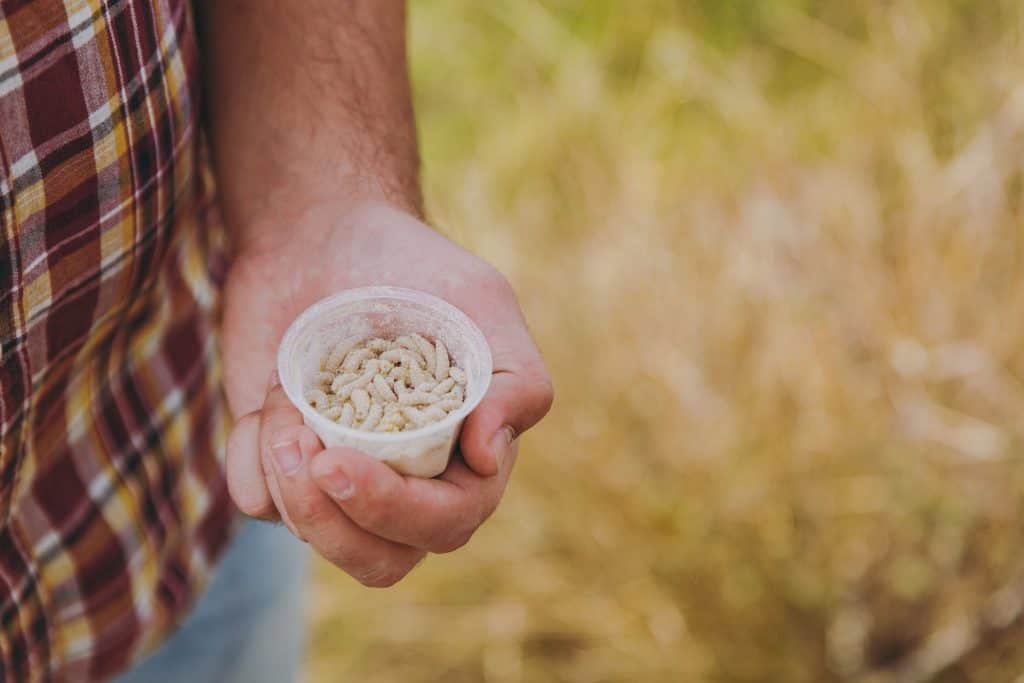
Fisherman holding fish bait

Kokanee Salmon are only found in lakes around the Pacific Ocean. They’re also known, as most salmon are, for being very tasty. So the main thing you may be wondering is ‘How do I catch Kokanee Salmon?’
 ヒメマスは太平洋に面した湖にのみに見られる。また、多くの鮭のように、大変美味な魚として知られている。それで、君が主に知りたがっていることは、どうやって釣るか?だ。
So, what’s the best bait for catching kokanee? Kokanee salmon are usually caught by trolling with a hoochie (a small rubber squid-like lure) below a dodger (a flashing metal spoon that dances back-and-forth in the water and makes the hoochie move erratically). If you’re fishing from the bank, many fishermen use pink maggots, corn kernels, small shrimp, worms, or any trout lure.
 それでヒメマスを釣りにベストなエサは何か?ヒメマスは通常、ドジャーの下にタコベイトを付けた仕掛けのトローリングで釣られる。もし湖岸から釣るなら、釣り人の多くはピンクうじ、コーンの実、小エビ、ミミズ、ルアーを使う。
Not every fishing hole will yield the same results with the same baits, and in some places and times of the year, the corn won’t work at all. Salmon have their preferences, and if we want to catch them, we’ll have to adapt to their different preferences and needs.
 全部の釣り場が同じエサで同じ釣果になるわけでなく、ある場所やある時期ではコーンがまったくダメなときもある。鮭には彼らの好みがあり、姫鱒を釣りたかったら、彼らの好みと要求に合わせなければならない。

How to Set Up a Hoochie and Dodger for Trolling

トローリング用タコベイトとドジャーの取り付け

The first time I saw a hoochie and dodger setup, I thought that there was no way it would work in my area. After trying it, it turns out I was wrong! It looked like a super weird rig, but I soon learned that just about every fisherman on the lake had the exact same lure on their line!
私が初めてタコベイトとドジャーを見たとき、私のエリアにこれがうまく働くやり方はないと思った。やってみて、私は間違っていたことが明らかになった。それは非常に奇妙な仕掛けのように見えたけど、湖のほとんど全ての釣り人たちは、まったく同じ仕掛けを持っていることを直ぐに理解した。
Technically, you could use a dodger and hoochie from the shore, but it’s a setup that’s better for trolling, which is the easiest way to catch kokanee. I’ll discuss how to catch them from the shore a little later in this post.
 技術的にはドジャーとタコベイトを湖岸からでも使えるが、トローリングがベターな仕組みであり、ヒメマスを釣るための最も簡単な方法だ。後で、湖岸からどうやって釣るかについて述べよう。
Use a 1oz or 1.5oz cannonball weight at the bottom of the line. About 2 feet up from the bottom weight, attach a three-way swivel. Attach 1.5 feet of fishing line from the swivel to the dodger, then about 11 inch from the dodger to the hoochie. If there’s too much line between the dodger and the hoochie, the hoochie won’t have any action.
 ラインの底に1oz(28g)か1.5ozの大砲型オモリを使え。オモリから約2フィート上に、3又スィーベルを取り付けよ。スィーベルからドジャーまで1.5フィート(45cm)のラインを使え。そしてドジャーからタコベイトまでは11インチ(27cm)ほどにせよ。ドジャーとタコベイト間のラインが長すぎると、タコベイトはアクションを起こさないことになる。
Let out about 120 feet of line behind the boat and troll SLOWLY at about .9 to 1.3 miles per hour. You may want to adapt the weight you have at the bottom of the rig to match the depth of the kokanee you see on the fish finder. Most of the time I find myself trolling about around 20′ deep in Idaho lakes, but it depends on the time of year and the body of water.
 ボートから約120フィート(40m)ラインを出し、0.9-1.3mphの速度でゆっくりトロールせよ。魚探で見えるヒメマスの水深にマッチさせるように、仕掛けの端のオモリを調整したいかもしれない。ほとんどの場合、私はアイダホの湖で水深約20フィートでトローリングするが、これは時期と水量によって違ってくる。

Baits for Casting from the Shore

湖岸からのキャスティング用のエサ

Kokanee are territorial and aggressive fish. Because of this tendency, many fishermen are convinced that the Kokanee do not bite at bait because they are hungry or are looking to eat. Most say that the salmon get irritated because of the hook and attack it, which leads to them getting snagged and reeled in. 
ヒメマスはテリトリーを持ち攻撃的な魚だ。この性質のため、多くの釣り人はヒメマスは、空腹や喰うために探したりして、小魚を食わないと確信している。多くに人はサケはフックに苛ついてそれを攻撃すると言っている。それでフックに引っかかったり、グルグル回ったりさせる。
To catch Kokanee as effectively as possible, you’ll want to appeal to their taste buds and aggressive tendencies! 
 出来るだけ効率的にヒメマスを釣るために、あなたは彼らの味蕾と攻撃的性癖にアピールさせたいだろう。
Put on a bait that the Kokanee Salmon will want to eat, but also make it as annoying as possible. Stinky bait is usually recommended because it attracts the attention of the fish and probably irritates their senses quite a bit too.
ヒメマスが出来るだけ苛立ち、喰いたくなるエサを付けろ。臭いの強いエサが通常推薦される。と言うのは、魚の興味を引き、恐らくまた彼らをかなりイライラさせるからだ。
For anyone trying to catch Kokanee Salmon, look at anything that’s colored pink. Most Kokanee baits are specifically dyed pink or a red on purpose. The best results have been seen on pink coloring, whether that’s the maggots or the dyed shrimp. 
 ヒメマスを釣ろうとする人にとって、ピンク色の何でも見よ。大半のヒメマスのエサは特に、ワザと色あせたピンクか赤である。最善の釣果は、ウジ虫か色あせた小エビなら、ピンク色のときに見られる。
Usually, putting two pink maggots on one hook is enough for the Kokanee to get aggressive. Any more will mess up the action of the jig and it will not act the way it should. One piece of corn or small shrimp will be enough.
 通常、1つのフックに2匹のピンク色のウジ付けることで、ヒメマスが攻撃的になるのに十分である。もっと付けるとジグのアクションが悪くなり、本来の動きにならない。コーンや小エビの場合は1粒(匹)で十分だ。
Getting your bait to smell strongly is also highly recommended. Fish rely on their sense of smell because visibility is usually very poor under the water. Because of this, fishermen have fine-tuned the art of making bait smell as appealing to the fish as possible. 
 エサの臭いをキツくすることを勧める。水中では通常視界は良くないので、魚は臭覚に頼っている。それで釣り人は出来るだけ魚にアピールするようエサの臭いをキツくするやり方を微調整している。
There isn’t much science to it, though. It usually just means leaving the corn out on the countertop for a day to get it smelling horrible, then refreezing the pieces the night before.But hey, it works! If it smells bad to us, then we know that the smell is strong enough to carry underwater. 
 でも、その科学はない。通常は、臭いがキツくなるようにコーンを調理台に1日ほったらかしておく。そして前日に再度冷凍する。それで上手くいく。臭いが酷いなら、水中で十分であることが分かっている。
The best bait that I’ve found that works the best is Green Giant Steam Crisp Shoepeg Whole Kernel Corn, which you can buy very cheaply at most Grocery Stores. Many fishermen have their own homemade recipes that they swear on, but the one that sounds most promising is this one: 
 見つけたベストなエサはGreen Giant Steam Crisp Shoepeg Whole Kernel Cornで、大半の日用雑貨店で非常に安く買える。多くの釣り人は自分なりの作り方があるが、最も有望なものがコレだ。


  • コーンの缶詰から水気を切る
  • 瓶詰用にコーンを詰める
  • その中に安もののマグロを加える
  • 少しPro-Cure Monster Biteも加える
  • 振る
  • お好みの香りを加える
This mix seems to have everything that a prospective Kokanee fisherman would want! I know I’ll definitely be testing this out this year.
 この混ぜ合わせ物は、有望なヒメマス釣りが望むすべてを持っている。今年、これを実際に試して見るつもりだ。

Lures

ルアー

Lures that were made for targeting Kokanee Salmon were designed to tick them off. Just looking at some of the designs and coloring, I almost feel sorry for the fish that will be subjected to being near them.
 ヒメマス用に作られたルアーは、彼らを怒らせる(tick off)ようにデザインされている。そのデザインと色を見ると、彼らに近づく魚が気の毒になってくる。
Most are classic spinner lures that have the body modified to annoy the fish until they bite.
 大半は、彼らが食いつくまで魚をイライラさせる修正された本体の従来のスピナールアーである。
The most classic lures are small spoons, Hootchies, bugs, and spinners.
 大半のクラシカル・ルアーは小さなスプーン、タコベイト、虫、そしてスピナーだ。
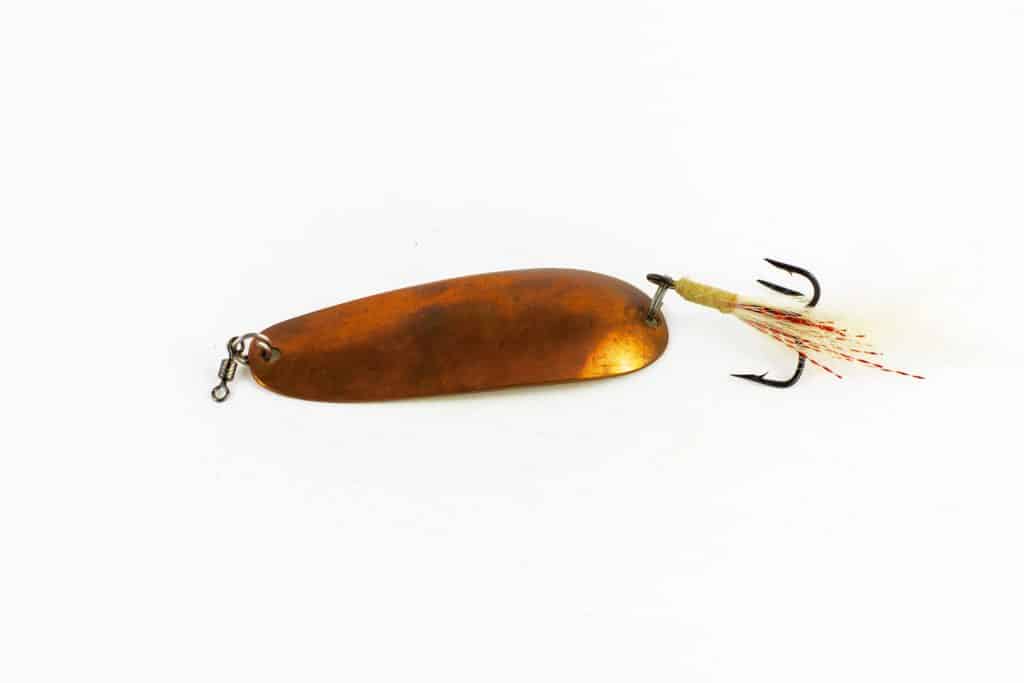
The Spoons are small metal plates that are painted and made incredibly reflective followed by a hook of varying sizes. The best colors for targeting Kokanee are red, pink, orange, and salmon colored.
 スプーンは小型の金属板で、色づけられていて、その後ろの様々なサイズのフックによって、ものすごく反射する。


Metal Spoon Lure

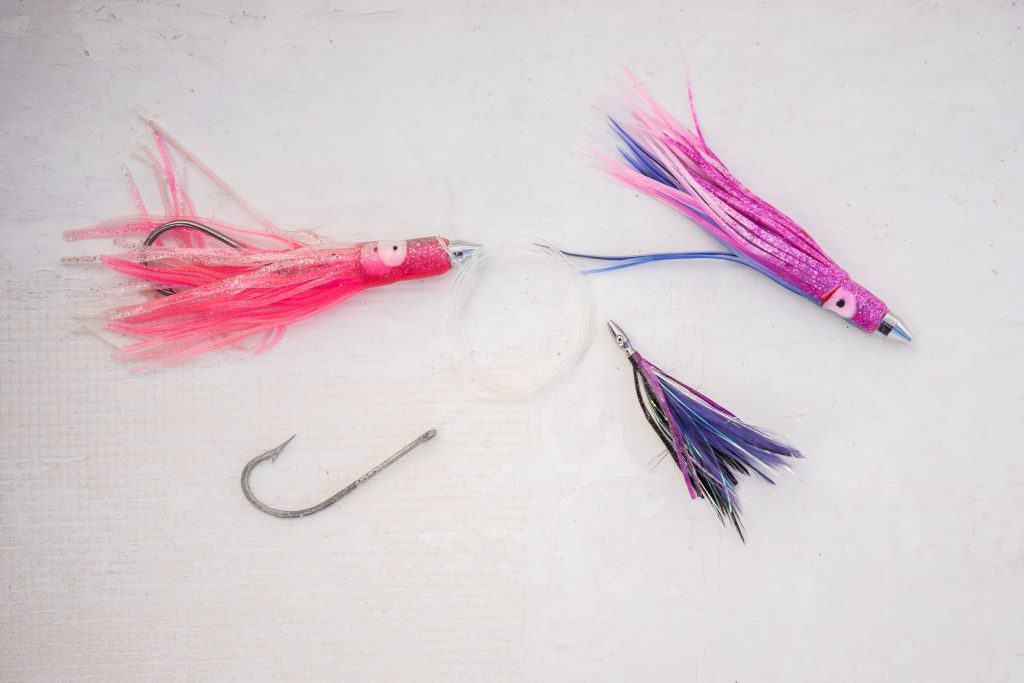
Hoochies – The two hook attached to the body of the hootchie increases the chances of hooking the fish very securely the first time. It might be a bit difficult to get the hook out, but it’ll be worth it if the fish is a big one.
 タコベイト:2本フックのタコベイトは非常にシッカリとフッキングする。フックを外すのがすこし困難だが、魚が大型なら、その値はある。
The body is covered in trailing pieces of plastic that attract the fish. As the hootchie is reeled in, the trailers move around in the water like the flailing limbs of a drowning insect.
 そのボディーは魚を魅惑させるプラスチックのヒラヒラ(蔦)で装飾されている。タコベイトを巻き取るとき、そのヒラヒラは降下する虫のもがく手足のように水中では動き回る。


Squid Lure

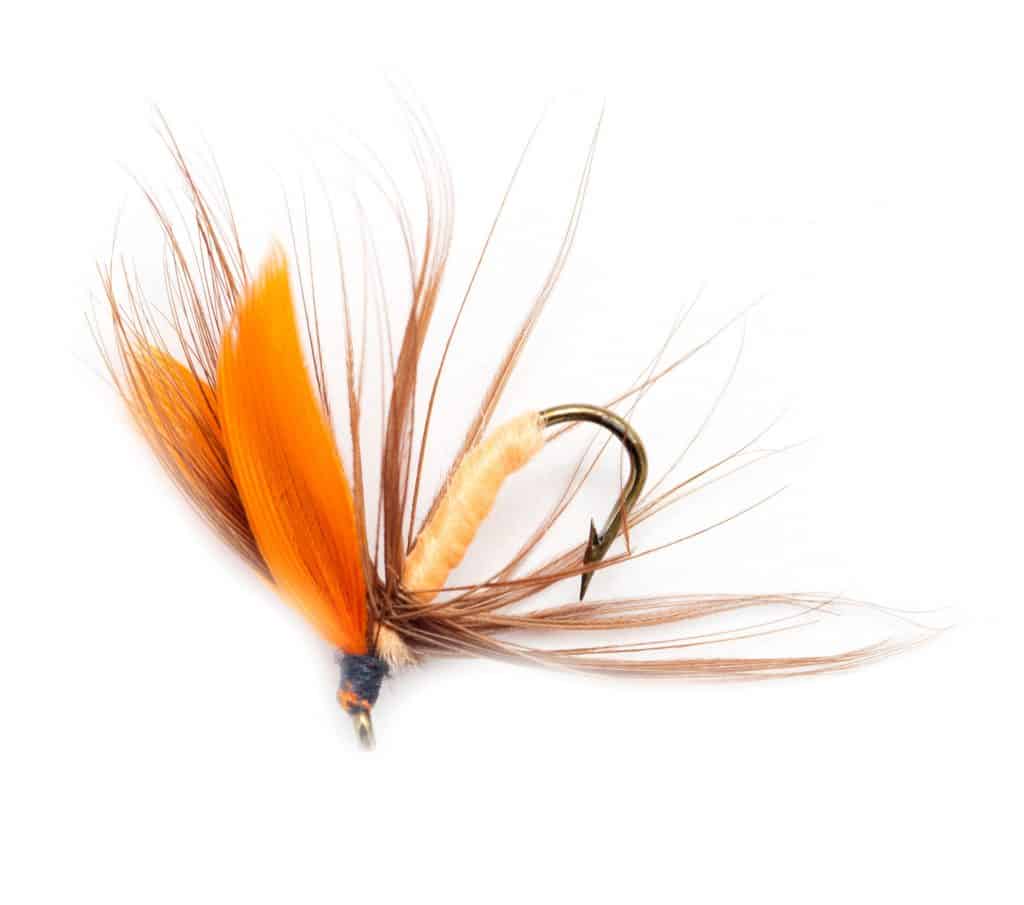
Bugs – Bugs are used the same way as hootchies, spoons, or spinners with one small exception. The other types of lures are just to be reeled in at a constant rate until they’re cast out again to repeat. For bugs, small jerks and tugs on the line will give the fish the impression that this is a real bug. The fish will then be more willing and likely to bite the bug. 
 虫:虫は小さな飾りが付いたタコベイト、スプーン、またはスピナーと同じように使われる。他のライプのルアーは繰り返しキャストするまで、一定速度で巻き取られる。虫に対して、ライン上の小型のジャークは実際の虫のような印象を魚に与えるだろう。魚はもっと虫に食いつきたくなるだろう。


Fluffy fly fishing hook

Strategies for using Lures

ルアーを使った戦術

Lures are fairly easy to use, but there are a few things to be aware of doing when fishing with them. Some lures are designed to be jerked around in little quick flicks, while others are reeled in slowly or at a constant pace. 
 ルアーは本当に簡単だが、ヒメマスを釣るときはチョットした注意点がある。あるルアーは素早いフリック(flicks)アクションでジャークするようにデザインされている。他方、他のルアーはゆっくりか一定速度で巻き取られる。
Depending on what type of lure you’ll be using, it can’t hurt to move it around at the perfect speed and rate of erraticism. 
 あなたが使っているルアーのタイプによって、完全な速度とブラブラ割合で動き回ることを害さない。

Trolling

トローリング

Trolling is a type of boat fishing where the fishermen anchor their rods to the boat and let out line behind the boat. As the boat travels around, the fish are attracted to the lures and bait that’s behind the boats. 
 トローリングは釣り人がボートにロッドを取り付け、ボート後方にラインを出す、ボート釣りの1つである。
The times most likely to catch fish are during the turns, where the inside lines dip lower and the outside lines come up a bit. The change in water depth attracts fish to bite.
 魚が最も釣れるのは方向転換の間で、そのとき回転方向の内側のラインがより低く沈み、外側のラインは少し上がる。水中でのこの変化は魚にバイトを誘惑する。
Kokanee Salmon get very angry when they’re bothered by something flashing off in the distance, and if it’s close enough, the fish will attack the said flashy thing.
 ヒメマスは離れて何か光らせることでイライラしたとき、非常に怒りやすい。もし十分に近くなら、この光りモノに攻撃してくるだろう。
The fisherman’s job, after knowing that bit of information, is to get as many flashy things into the water and tick off the kokanee salmon into biting. 
 そのチョットした情報を知ってから釣り人のやることは、たくさんの光りモノを水中に入れ、ヒメマスが食いつくように怒らせることである。
Trolling is just the strategy to do so. By trolling around a few dodgers, it will make it seem like there is a school of fish traveling together reflecting sunlight off their scales. This will irritate the kokanee enough to come investigate.
 トローリングはまさにそうする戦術である。数個のドジャーをトロールすることで、鱗を反射させながら回遊している魚群として見せかけている。これは調査するに十分なだけ、ヒメマスを苛つかせる。
The key to catching fish like this is having some sort of lure in the back behind your dodgers. A nice sized spoon trailing your artificial school of fish will make it seem like there’s a lagging fish that will make a good target for the Kokanee salmon to attack.
 このような魚を釣るためのキーはドジャーの後に何らかのルアーを付けることだ。人工的な小魚の群を引く適当な大きさのスプーンはヒメマスが攻撃するのにいいターゲットになる遅れた魚のように見える。
Kokanee Salmon are very tasty fish. They are also very fun to try to catch, as it takes a little bit of skill to finesse the fish out of the water as it fights against your line. Because of this, there are quite a few people who specifically target Kokanee salmon year round. Catching one can be done easy enough if you’re willing to put in the effort and time.
 ヒメマスは非常に美味な魚だ。そして釣るのが楽しい魚で、掛かると激しく暴れるので、水中から引き上げるとき手際よく処理するチョットした技術が必要だ。もし労力と時間を費やしているなら、釣りは十分簡単にできる。

Related Questions

関連質問

What is a kokanee fish? A kokanee fish is a subspecies of the Sockeye Salmon, which became landlocked, either by man, choice, or nature. The fish changes to become completely a freshwater fish that doesn’t venture out from their lakes and streams.
 ヒメマスとは何か? ヒメマスは紅鮭の下位区分で、人、選択、そして自然のどれかによって陸封された魚である。淡水魚になるために完璧に変化していて、湖や小川から敢えて出て行くことはない。
What is the best salmon lure? The best salmon lures are often any type of spoon. For trolling, getting a silver-colored spoon will attract them from further away, while casting a smaller pink spoon from the bank will bring better results than a silver-colored one.
 鮭用のベストなルアーは? ベストなルアーはスプーンだ。トローリングならシルバー系が遠くからでも魚を引き付ける。他方、湖岸から小さなピンク系のスプーンをキャストすることは、シルバー系より、よりいい釣果になるであろう。

11/05/2019

Best Trolling Depth for Catching Kokanee

Best Trolling Depth for Catching Kokanee

ヒメマスを釣るためベストなトローリング水深

by Malachi Rhyker

Kokanee Salmon are fish that tend to hang out around deeper water levels. There isn’t a whole lot of consistency, though. They hang out just under schools of bait-fish, despite being almost completely zooplankton feeders. Being close to these baitfish, however, is good cover from the other fish that want to eat them, such as Rainbows or Bull trout.
 ヒメマスは深い水深に生息している魚である。一貫性はないけど。ベイト魚の群の下で、ぶらついている。ほど完全な動物プランクトン捕食者であるが。しかしベイトフィッシュに近くに居ると、虹鱒やブルックトラウトのようなそれらを捕食する魚から隠れるのに都合が良い。
But, how deep would be the optimal depth to troll?  Kokanee salmon can be found at varying depths depending on the time of year and body of water. The most common range for kokanee trolling is between 10 and 40 feet. I generally troll at 18 feet until I can get a good reading from the fish finder.
 しかし、トローリングで最適な水深は?姫鱒は時期と水量によって違った水深では見つかる。ヒメトロ(姫鱒のトローリング)で最も一般的な水深は10-40フィート(3-12m)だ。私は魚探に反応があるまで、いつも18フィート(5.4m)でトローリングする。

Depths for Kokanee Salmon Fishing

ヒメマス釣りの水深

Kokanee Salmon are deeper swimming fish. They have sensitive eyes, so the salmon stay lower in the water to stay away from the more intense light that is common in shallower levels.
ヒメマスは深場を回遊している魚で、光に敏感な目を持つ。それで、浅瀬の強い光を避けるために、深場に居る。
The Kokanee have a habit of swimming parallel with the shore. I learned this when ice fishing with some buddies in January 2018. A veteran fisherman came over to my set of holes that were all lined up about 5 feet apart. He said that since my holes were all lined up parallel to the shore I might as well be fishing in one hole of having them all together.
 ヒメマスは岸辺と平行に泳ぐ習性がある。2018年の1月に友人と氷上釣りをしていたとき、このことを知った。一人のベテランの漁師は、5フィート間隔で開けた穴にやって来て、岸辺沿いに平行に穴が開いているので、1箇所に1つの穴のように釣れそうだ、と言った。
After I got over the slightly rude call-out of my mistake, I set up my lines every 10 feet from the shore. I started catching Kokanee a lot more frequently. I applied this knowledge during the spring and summer fishing seasons and noticed that this was true as well. If I timed it correctly, I could follow school of fish as they traveled either up or down the side of the bank.
 私は間違いへの少し無礼な避難から立ち直ったのち、岸辺から10フィート毎に釣り糸をセットした。ヒメマスが頻繁にずっとたくさん釣れ始めた。春と夏の釣り期間にこの知識を応用し、これはかなり真実であると気が付いた。もし正しくその時間を計ったなら、魚が岸から上がってくるか、下がっていくとき、その群に付いて行くことができる。
Kokanee like to hang out just off the drop-offs in the deeper parts of the lake. Places like these allows the fish to not move but still be close enough to a food source, kind of like the river fish who hang out right next to the heavy currents where their food comes from.
 ヒメマスは湖の深場に落ち込むところで、ぶらつくことが好きだ。このような場所は動かないで、食料源に十分近い。それは、食料が流れてくる強い水流の隣でたむろする川魚のように。
Kokanee Salmon are some of the more energy-aware fish, so they spend a great deal of time just chilling in the water conserving their energy. The only time that they move is when there is food in front of their faces or there is something annoying them.
 ヒメマスはエネルギーを非常に意識する魚で、彼らのエネルギーを温存しながら水中で冷え込みながら、大半の時間を過ごしている。移動するときは、ただ彼らの顔の前に餌があるときか、目障りなものがあるときだけである。
Kokanee will follow a dodger and hook if it looks like food, but then will bite only when the action of the lure makes it angry. Because of this, you will first need to travel over the Kokanee and get your hooks near enough to be seen.
 ヒメマスは、もしそれがエサのようならドジャーとフックを追うが、ルアーアクションが彼らを怒らしたときにのみ食いつくだろう。それで、まずヒメマスを探し回る必要があり、彼らの十分近くにフックを持って行く必要がある。

How to Get Your Line Deep Enough for Kokanee

ヒメマスのいる水深に釣り糸を持って行く方法

Getting your hook to be seen by the fish can be difficult because some Kokanee are at least 20 feet down, and most of the time they are around 60 feet down. The easiest way to get a hook and line down that deep is by using a downrigger on a bigger boat. The downriggers are usually more expensive and can be dangerous to put on a kayak.
 ヒメマスは少なくとも20フィート(6m)、おおくは60フィートの深さにいるので、釣り鉤を魚のいる水深へ持って行くことは難しい。フックとラインをその水深へ沈めるのに最も簡単な方法は、大型ボートからダウンリガーを使うことだ。ダウンリガーは通常最もお金の掛かる方法で、カヤックに取り付けることは危険だ。

Downriggers

ダウンリガー

The down rigger is a piece of equipment that will help bring down the line to very deep depths. What it specifically does is attach a weight that is very easily unclipped from the line. The weight is connected to a crank and line that has a line counter on it to tell exactly how deep the line has gone.
 ダウンリガーとはかなりの水深へラインを沈めることができる装置一式のことである。特別な点はオモリを取り付けていて、ラインが非常に簡単に外れるようになっている。オモリはクランクとラインに接続されていて、ラインの水深を正確に計るためにライン・カウンターが付いている。
Once a fish in on your hook, either you or the fish will yank hard enough to get the hook away from the downrigger’s weight and you will be able to reel in the fish uninhibited by a heavy weight to get it down that deep.
 フックに魚が掛かると、釣人か魚はダウンリガーのオモリからフックを外すに十分な強さで引っ張るであろう。そして深く沈めた重いオモリに束縛されずに、リールを巻いて魚を取り込めることになる。
But down-riggers can get very expensive, even a manual crank one. The electric ones can get up there, as much of the fishing equipment can be. The downrigger is the best way, but there are still good ways to get your line down to 50+ feet.
 ダウンリガーは、手動クランプ式でさえ高価である。

Leaded line

レッドコア・ライン

There is something called a leaded line. This is a type of fishing line that has a lead core. The outside is usually covered by some type of braid or a different material.
 レッドコアラインと言われものがある。鉛芯釣り糸のことである。外側は編み糸や他の材料で被覆されている。
What the leaded line is supposed to do is to get the line down deep without hurting the action of the lures as a weight would. The line is very strong but is somewhat thicker in diameter than other lines this makes it only good for trolling, but it does very well. You can get to those optimal depths with a leaded line very easily.
 この鉛芯ラインがなすことは、オモリがルアーアクションを害することなく、ラインを深く沈めることだ。ラインは非常に強く、トローリングに適した他のラインより直径は太い。しかし非常にうまく働く。非常に簡単に鉛芯ラインで最適な水深に持って行くことができる。
The price of the leaded line can get expensive as well, but if purchased in the right amount, it is still very much cheaper than buying a downrigger.
 鉛芯ラインはかなり高価だが、もし適量を購入したなら、ダウンリガーよりかなり安価である。

Sliding Weights

滑るオモリ

Sliding weights are just what they seem to be. They are a weight that is able to slide up and down on the line. This can help with the line being too weighted down. The sliding weight can help get the lure down to the wated depth, but then after that, the weight does not inhibit the line and actin of the lure.
 上下に揺れるオモリは、まさに彼らが目にするものだ。それらはラインを上下に滑ることが可能なオモリだ。これはラインが沈下しすぎないようにするのに役に立つ。滑るオモリはルアーを望みの水深へ沈めるのに役に立つが、その後、オモリはラインとルアーアクションを抑制しない。

Best Rigs for Catching Kokanees at Any Depth

どの水深でもヒメマスが釣れる最適な仕掛け

Because Kokanee Salmon are so popular to catch, there is a lot of knowledge on the best ways to catch them. Every professional angler, and everyone who knows how to catch Kokanee Salmon when trolling knows that hoochies are the way to go. I’ve written a complete guide on the best setups for kokanee fishing before.
 ヒメマスは釣りとして有名なので、その釣りについてたくさんの知識がある。トローリングのとき、ヒメマスを釣るにはどのプロアングラーや誰もが知っていることは、Hoochies(タコベイト)が最善の方法であるを知っている。私はa complete guide on the best setups for kokanee fishing before.に記事を書いた。

Hoochie

タコベイト

A hoochie is an artificial lure that has many little plastic trailers that attract fish towards the fish. They come in a lot of colors, but the ones confirmed to work the best for Kokanee trolling are bright pinks.
 タコベイトは人工のルアーで、魚を引き付けるたくさんの小さなトレーラー(ヒラヒラ、蔓草)が付いている。たくさんの色があり、ヒメマスで最も有効と確信されているモノは明るいピンク色だ。
Because the best depths to troll for Kokanee are very deep, you will have to use some very bright colors to have the fish be able to see the lure and bite it.
 ヒメマス釣りのベストなトローリング水深は非常に深いので、魚にルアーが見えて、食いつくことができるように、明るい色を使うべきだ。
The Kokanee are triggered by pinks and will attack them out of anger or irritation. Pink works especially well during times that are not the Kokanee’s feeding times. Other good colors are oranges, reds, and some light purples. The warm colors are the way to go with Kokanee.
 ヒメマスはピンク色でトリガーが掛かり、怒りと苛立ちから攻撃してくる。ピンク色はヒメマスの採餌時間帯でないときに、特に効果的だ。他の効果的な色は、オレンジ、赤、薄紫だ。暖かい色はヒメマスにベストな選択だ。
On the back of the hoochie’s hook, put one kernel of white shoepeg that was soaked in garlic the night before. The smell that the garlic will give the corm will introduce a new smell to the Kokanee Salmon, and that will irritate them into biting.
 タコベイトのフックの後ろに、前日の夜にニンニクに浸した白い靴べらの小片を付けろ。ニンニクの球根の匂いはヒメマスに新しい匂いになり、苛立って食いつく。

Dodgers

ドジャー

A dodger is a piece of metal that attracts fish towards the hooks trailing behind. The dodgers reflect light at the fish and acts as the scales of a fish swimming in the water.
 ドジャーはその後ろで引っ張るフックの方へ魚を引き付ける金属片である。光を反射し、水中を泳いでいる魚の鱗として働く。
Some dodgers can be bent to give them the action that makes them sway in the water. If there are three lines out in the water with dodgers, all followed by hooks and lures, those will look like a school of fish and the Kokanee salmon will most likely strike out of annoyance.
 あるドジャーは水中で揺れ動くアクションになるように曲げられている。もし水中で、離れてドジャー、ルアー、フックの3列になっているなら、魚の群のようになり、ヒメマスは苛立って攻撃してくるようだ。

Flashers

フラッシャー

These are about the same as the dodgers except they are much smaller and they spin around much more erratic. The purpose of the flashers is to get reflect more sunlight in a wider range of area. The flashers will act as small baitfish swimming in the water. This artificial school of fish will be targeted by the Kokanee Salmon and the stragglers of the school, the hooks, and lures will be bit first.
 これはより小型でより不規則に回転する点以外は、ドジャーと同じである。フラッシャーの目的は広いエリアにより光線を反射させることだ。フラッシャーは水中を泳ぐ小魚のように動く。この小魚の人工的群はヒメマスのターゲットになり、その群のはぐれた魚、フック、そしてルアーが最初にエサとなる。

Spinner Blades

回転ブレード

Usually only found on spinner lures and spinner baits, spinner blades act as an action giver to a hook. They spin around the hook, reflecting light and creating a disturbance in the water. The fish will pick up on the disturbances and will come from pretty far away towards the lure.
 通常、スピナールアーとスピナーベイトのみが知られていて、回転ブレードはフックにおびき寄せる効果がある。それらは、水中で光を反射して乱流を生成しながら、フックを中心に回転する。魚は乱流に追いつき、遠くからルアーの方にやって来る。
The reflection is to attract closer fish to strike, and it works very well. A spinner blade can be attached to a hoochie, which will give it that extra advantage in the deeper waters where the Kokanee live.
 その反射は近くの魚を襲いかかるように誘惑し、非常に上手く行く。回転ブレードはタコベイトに取り付けることができ、ヒメマスが棲む深場で非常に有効になる。

Extra Tips for Trolling for Kokanee

ヒメマスのトローリング釣りの特別のティップ

Trolling is an art, and every art meduim has things that can be done to make the final product look better or be easier to accomplish.
 トローリングは1つの芸術だ。すべての芸術手段は最終作品の見栄えを良くするか、簡単に実行できるモノだ。
  • Buy a Rubber Snubber: A Rubber Snubber is a piece of rubber that is attached between the leader and the line before the dodger and the hook. This helps keep a lot of tension out of the Kokanee’s mouth. ラバーのスナッバーを買え:これはリーダとドジャーとフック前のライン間に付けるゴムバンドで、ヒメマスの口からの強いテンションを保つのに役立つ。
  • Soft Mouths: Kokanee have very soft mouths, so sometimes the hook can be set too violent and the hook can be ripped out of the fish’s mouth. The Rubber Snubber will help keep that set gentle enough not to rip it out. 柔らかい口:ヒメマスの口は非常に柔らかく、ときどき乱暴にフッキングすると、フックがヒメマスの口から外れてしまうことがある。ラバースナッバーは口から外れないように優しくフッキングするのに役立つ。
  • Buy a long net: Because of the Kokanee’s soft mouths, it is hard to get one in the boat by lifting it out of the water. A long net will help get the fish out of the water safely and to not get off the hook. 長い柄のランディングネットを買え:ヒメマスの口は柔らかいので、ボートから水中のヒメマスを上げるのは難しい。柄の長いランディングネットは口からフックが外れないように、安全に水中から魚を引き上げるのに役立つ。

Related Questions

関連質問

How fast should you troll for Kokanee Salmon? Around 0.8 MPH up to 1.5 MPH. There are some fishermen who have found luck at 2 MPH, but I have not seen much luck going that fast.
 ヒメマス釣りのトローリング・スピードはどの位か?だいたい0.8-1.5mph(1.3-2.5km/h)だ。ときどき2mph(3.2km/h)の釣り人を見掛けるが、釣れている人を見たことがない。
What times of year can Kokanee be caught? Kokanee can be caught year round. Trolling is best around mid summer and early autumn, while jigging is better during the winter while ice fishing, and during early spring.
 ヒメマスは年のいつ釣れるのか?ヒメマスは年中釣れる。トローリングは真夏と初秋がベストだ。ジグは氷上釣りの冬の間と初春がベストだ。