21 Kokanee Salmon Fishing Tips
(That Always Seem to Work for Me! ボクにはいつもうまく行くようだ!) by Malachi Rhykerヒメマス釣りの21の秘訣
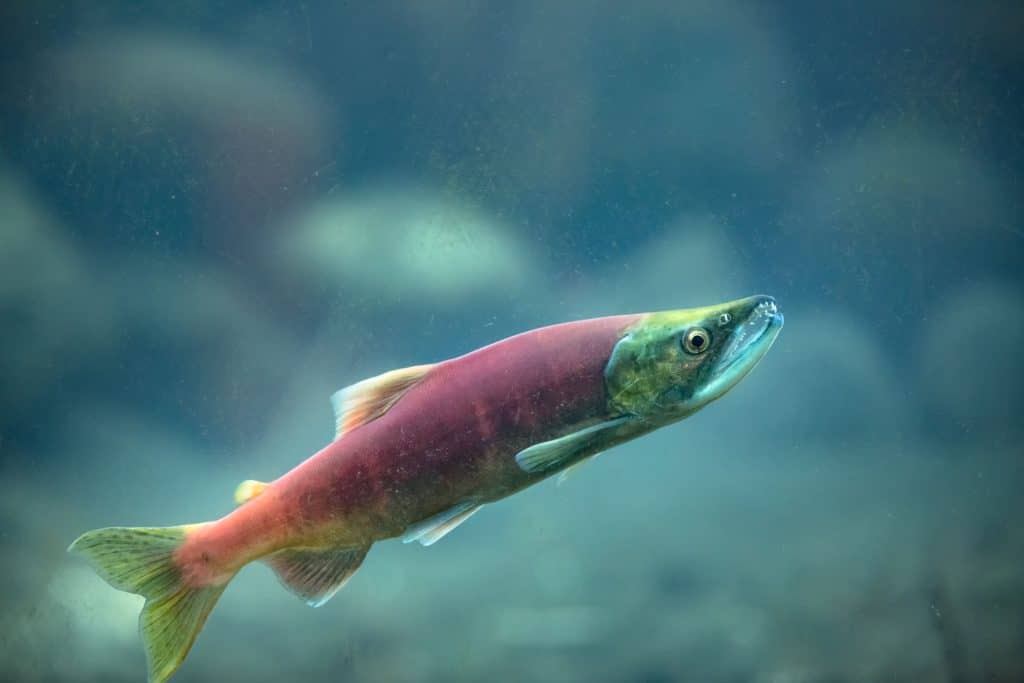
Kokanee Salmon are a type of land-locked Sockeye Salmon that was trapped in a lake or small stream sometime around 15,000 years ago. The North Western Americas are covered with lakes filled with Kokanee. They taste great and are fun to fight, so it’s no wonder that they are one of the most popular fish to target in Idaho, Oregon, Washington, Alaska, and in British Columbia.
ヒメマスは約1万5千年前に湖や小川から出られなくなった陸封された紅鮭である。アメリカ北西部にはヒメマスが多数生息する湖がたくさんある。ヒメマスは素晴らしい味で、釣りのファイトは楽しい。それでアイダホ、オレゴン、ワシントン、アラスカ州、そしてBC(カナダ)では釣りの対象魚として最も人気の魚であることは不思議でない。
Kokanee are aggressive fish, a factor that has to be taken into consideration when trying to target them. I have been fishing for Kokanee for a few years now, and I have a few tips that I would love to pass onto new anglers trying to catch a few.
ヒメマスは攻撃的な魚で、釣るときはその点を考慮しなければならない。私はいま数年間、ヒメマス釣りをしてきているが、ヒメマス釣りを始めようとしている釣り人にぜひ伝えたい秘訣がある。
1. The Dodger/Hoochie Setup
ドジャー/タコベイトの取付け
Kokanee trolling can rarely be done without a dodger or two on your lines. The dodgers reflect sunlight towards the fish and attract the fish towards the boat. By bending the dodger a little in the middle, you are able to give the dodger action of its own. It will be able to swing back and forth and get the kokanee to come closer.
トローリングのヒメマス釣りは稀にドジャーを付けないで行われる。ドジャーは日光を反射させ、ボートの方に魚を引き付ける。ドジャーの真ん中を少し曲げると独自のアクションにすることが可能だ。ドジャーが行ったり来たりして泳ぐと、ヒメマスをドジャー近くに引き付けることができる。
A hoochie is a very effective Kokanee lure, and there isn’t much reason why. The Kokanee seem to love hitting the little plastic limbs/ tentacles that are on hoochies. And because the hook is right in the middle of the limbs, the kokanee are usually hooked pretty well.
タコベイトは非常に効果的なヒメマス用ルアーで、何故かの理由はない。ヒメマスはタコベイトの小さなプラスティックの足・触手に当たることが好きなようだ。その足の真ん中にフックがあるので、よく引っかかるのだ。
Having multiple lines in the water will make it seem like that your hooks and dodgers are a school of fish. The Kokanee Salmon will follow your ‘school’ around until they get irritated enough to strike out.
水中に複数のラインがあると、フックとドジャーが魚の群のように見えることになる。ヒメマスは苛立って攻撃するまで仕掛けを追ってくる。
2. Corn and Scenting
コーンと臭い付け
Kokanee are zooplankton feeders, so it is a mystery why the fish love to bite Kokanee. There isn’t much rhyme or reason to why, but because it works, corn is used very often. Regular white shoepeg full kernel corn can be used, and the cheaper, the better.
ヒメマスは動物性プランクトン給餌者であり、なぜ魚がヒメマスに食いつきたがるか?はミステリーだ。それは何故か?について訳も理由もない。これはドジャーとタコベイトは効果があるので、コーンは稀にしか使われない。Regular white shoepeg full kernel コーンが使われる。安ければ安いほど、より良い。
The corn is the correct size, but the real reason that the corn is used is because it can retain smells very well. The real tip here is soaking the corn in another substance and getting a strong foreign smell that will irritate the Kokanee down to the fish.
コーンはサイズ的にいい大きさだが、コーンが使われる実際の理由は臭いが持続するからだ。実際の秘訣は他のモノの中でコーンをずぶ濡れにして、タコベイトの下のヒメマスを苛立たせるような強く異質の臭いにすることである
Experiment wiht different smells, but be sure to use garlic for at least some of your corn. The Kokanee don’t really like the smell of garlic. It’s too strong for them, and it doesn’t smell like anything else around them. Because of this, the Kokanee will become aggressive towards the corn.
これと違った臭いを使った実験として、少なくともコーンにニンニクを使え。実際にヒメマスはニンニクの臭いが好きでない。あまりにも臭いが強くて、彼らの周辺のどの臭いとも違う。これが理由で、ヒメマスはコーンに攻撃的になる。
これと違った臭いを使った実験として、少なくともコーンにニンニクを使え。実際にヒメマスはニンニクの臭いが好きでない。あまりにも臭いが強くて、彼らの周辺のどの臭いとも違う。これが理由で、ヒメマスはコーンに攻撃的になる。
3. Downrigger
ダウンリガー
A downrigger is the piece of equipment that will be able to get the line down deep into the depths of the lake. There is a very heavy weight connected to the boat that will drop straight down. There is another little piece connected to the weight that can be clipped to the line. This will take your line down to the depth and keep the lures running around that point.
ダウンリガーとはラインを湖の水深深く沈めることができる装置一式のことだ。真っ直ぐ沈めるために、ボートに繋がった非常に重いオモリを使う。ラインはクリップで留められ、オモリに繋がったのう1つの小物がある。これでラインは深く沈み、その点の周囲でルアーを動かし続ける。
When the fish bites your hook, the line pops off of the weight and is able to be freely reeled up. The weight can be brought back up and the line reattached. The process repeats itself but keeps everything very constant.
魚が掛かったとき、ラインはオモリから外れ、自由にリールで巻き取ることができる。オモリは持ち揚げられ、ラインは再度取りつけることができて繰り返し使える。
Downriggers have only one downside. They are expensive to buy. They run for around $500, but can get up to $1200. There is an easy solution to not having one, though.
ダウンリガーはただ1つの降下物を持っている。価格は高く、おおよそ$500-$1200位である。でも、これを持たないための簡単な解決策がある。
4. 1.5 oz Weight or Leaded Line
1.5ozのオモリか、鉛入りライン
Attaching a 1.5 oz weight to the line will allow the line and lure to get as deep as you want the line to go. Using a regular salmon weight can also get the line down deep as well. Just attach it just before the dodger and the leader. The weight will add more weight when trying to reel in a fish, so the fish will seem bigger than it actually will.
ラインに1.5oz(42g)のオモリを付けると、望みの水深へラインとルアーを持って行くことができる。通常のサケ釣り用オモリを用いても同様のことが可能だ。ドジャーとリーダの前にそれを付けよ。オモリはリールで巻き取るとき、その重さを増す。それで、魚は実際より大きく感じることになる。
Another alternative is using a weighted line. A weighted line is a line with a lead core that is covered in, usually, a braided line or a different material. This keeps the line sensitive, but because of the lead, the line will sink and will be able to act as a downrigger and get the line deep enough.
代替は重いラインを使うことだ。重いラインとは、普通、鉛を網糸か他の材質で被覆したラインのことである。ラインの感度は維持されるが、鉛なのでラインは沈み、ダウンリガーの役目もし十分深く沈下する。
代替は重いラインを使うことだ。重いラインとは、普通、鉛を網糸か他の材質で被覆したラインのことである。ラインの感度は維持されるが、鉛なのでラインは沈み、ダウンリガーの役目もし十分深く沈下する。
When fighing a fish, the line will add more weight and it will be more dificult to get the fish up to the boat. While this seems line a downside, I actually enjoy the challenge to get the fish up. Especially with their soft mouths, it is a challence to get the fish up without tearing their mouths.
魚とファイトするとき、ラインは重さを増すので、ボートに魚を巻き上げるのがより難しくなる。ここでラインがダウンリガーのように見えるけど、実際には魚を上げることを楽しむことができる。特に口の柔らかい魚に対して、口を切らないように釣り上げることはチャレンジングだ。
魚とファイトするとき、ラインは重さを増すので、ボートに魚を巻き上げるのがより難しくなる。ここでラインがダウンリガーのように見えるけど、実際には魚を上げることを楽しむことができる。特に口の柔らかい魚に対して、口を切らないように釣り上げることはチャレンジングだ。
5. Reel in Slowly
ゆっくりリールを巻け
Kokanee Salmon have very soft mouths. And because of this, there is always the worry that the hook set and reeling in can rip the hook out of the Kokanee Salmon. Make sure that as you reel in, or think that you might have a Kokanee Salmon on the other side of the line, that you set carefully and not too violently, and that you reel in gently.
ヒメマスは非常に柔らかい口をしている。それでフッキングとリール巻き上げの時はいつも、ヒメマスの口からフックが外れないか心配しなければならない。リール巻き上げの時はこのことを確認し、ラインの終端にヒメマスがいると思って慎重に釣れ。決して乱暴にしないで優しくリールを巻け。
But be careful: not enough tension will allow the fish to be able to get away and twist out of the hook. The tension will allow you the control you will need to get the Kokanee towards the boat.
でも慎重に:ラインのテンションが十分でないと、魚はフックをよじって逃げてしまう。このテンションによって、ボートの方へヒメマスを寄せることを調整できる。
Anyways, its more fun to slowly reel in a fish than just cranking in until you get one on the boat. Because these fish take a little more finesse to get them to the boat, they are very fun to fight.
とにかく、ボートに引き上げるまで単にリールを回すだけよりも、ゆっくり巻き取るやり方は楽しい。ボートの方に寄せるためにチョットした策が必要なので、魚とのやり取りは非常に面白い。
6. Monofilament Line
モノフィラメント・ライン
Another easy way to reduce the amount of stress put on the Kokanee’s mouth is by using Monofilament fishing line. Mono line, as it is very regularly called, is made of a semi-clear material that has the most stretch out of all types of lines. As the name implies, it is made out of one material and is very durable because of this. The clear color makes it a good choice for a fishing line.
ヒメマスの口への衝撃を軽減する他の簡単な方法はモノフィラメント・ラインを使うことだ。一般にモノラインと呼ばれているが、半透明の材質で、ラインの中で最も伸びる。その名称が示しているように1種類の材質で出来ている。それ故に非常に耐久性がある。釣りには透明色が最適である。
The stretch it has is just enough to still be very sensitive but also has enough give that it will stretch as the hook sets. This helps as the fish is started to be dragged along behind the boat. The give will allow the hook to be set gentler and the hook not pulled out as the boat continues and the fish starts to fight.
その伸長性はライン感度的には十分で、しかも魚のアタリを取るときに十分に伸びる。だから、魚がボートの後方へラインを引き出したとき役に立つ。これはトローリングで魚が暴れだしたときに優しくアタリを取ることになり、フックが魚の口から外れないようになる。
7. Have Your Net Ready
ランディングネットを準備せよ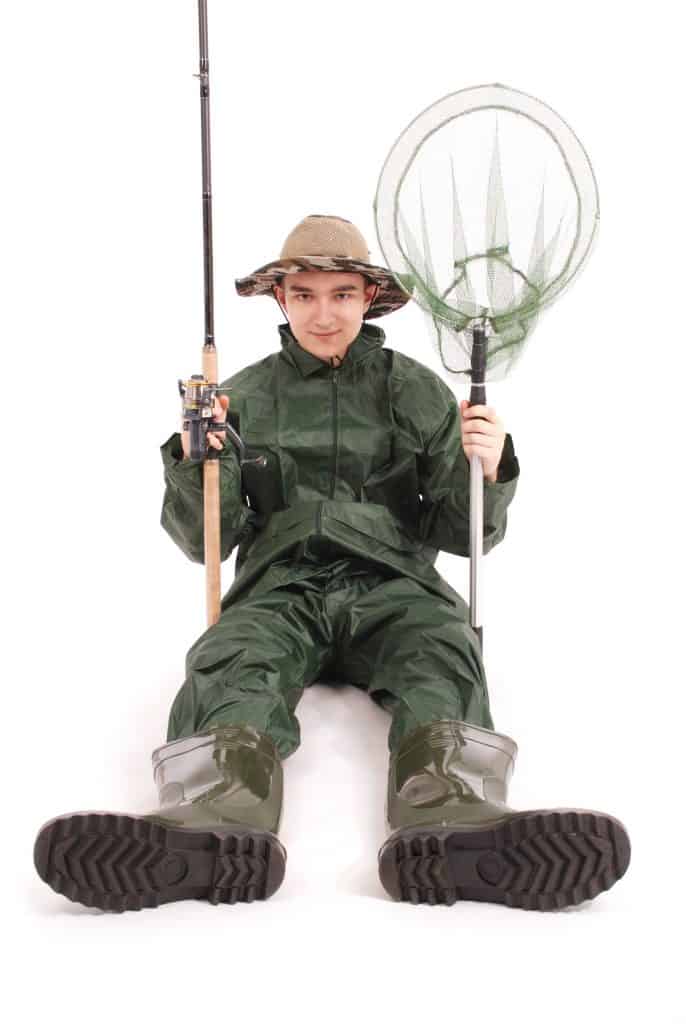
Because Kokanee Salmon have very soft mouths, when they jump out of the water, they might become unhooked and get away. If you can get the Kokanee to the surface, there is always the chance that the Kokanee will be able to get off the hook.
ヒメマスの口は非常に柔らかいので、ヒメマスが水中からジャンプしたとき、フックが外れて逃げてしまうかもしれない。もし水面近くでヒメマスを釣った場合は、いつもヒメマスがフックを外す可能性がある。
Having the net right there ready will help to get the Kokanee Salmon into the boat and not let them get away. This will also help with making sure that they Kokanee don’t try to get under the boat or to somewhere that the line can break or get tangled.
ランディングネットを用意しておくことがヒメマスを逃がさずに、ボート内に釣り上げるために役に立つ。また、ヒメマスがボートの底下やラインが切れたり、こんがらがったりする方向に行かないようにするのにも役立つ。
A longer net is usually. You will be able to get the fish further from the boat. While that can be both a good and a bad idea, it will be beneficial if the Kokanee has less time to get off the hook. Make sure the mouth of the net is wide as well. This will make scooping the fish up easier and make it more certain that the fish won’t get away.
通常、柄の長いランディングネットが使われる。これならボートから離れた魚を捕らえることができる。これには良い点と悪い点があるが、もしヒメマスにフックを外す時間が無いなら効果が期待できる。ネットの口径が大きいことも確認せよ。簡単に魚をすくい上げることができるので逃がすことも少ない。
8. PINK
ピンク色
Another great mystery of fishing is why Kokanee hate pink. It is a known fact that Kokanee strike things that annoy them, and pink is the color that has got the most success, so Kokanee anglers use it frequently.
もう1つの釣りのミステリーはなぜヒメマスはピンクが嫌いかである。ヒメマスはイライラさせられるモノに攻撃するので、ピンク色は最も釣れる色であることは知られた事実だ。それでヒメマス釣りの釣人はしばしばこの色を使う。
The best lures for Kokanee are usually pink and imitate bait fish. There are also many Kokanee baits that are purposely dyed pink because the color is just so successful. A pink hoochie lure with a piece of scented corn will catch the most amount of fish in an average year.
ヒメマス釣りのベストなルアーは通常ピンク色で小魚を模したものだ。非常に釣果が上がる色なので、故意に色あせた色にしたピンクの色々なヒメマス用小魚ルアーがある。臭いづけしたコーンを付けたピンク色のタコベイトは年中最も釣れるルアーだ。
Although pink is the best color, some anglers don’t use it as often as other people. They use reds, oranges, and some light purples. I’ve talked to a few anglers on the water, and although they swear by pink, they are usually using an orange or red. Not sure why, but I guess experimenting is sometimes good. Who would have thought.
ピンクはベストな色だが、ある釣り人たちは他の人々と同様、ほとんどそれを使わない。彼らは赤、オレンジ、そして明るい紫色を使う。私は数人の釣り人と湖上で話したことがあり、彼らはピンク色を信じていたが、実際は赤とオレンジ色を使っている。なぜかは分からないが、経験上良かったと推測する。信じられない。
9. Change Colors Before Type
タイプを変える前に、色を変えろ
When trolling for Kokanee, don’t change the type of gear that you’re using. It’s good to use a variety of lures, but try to make it a rule of thumb to keep each rod consistent with the type of lure that is used on it. This will make things easier, because a hoochie set up is slightly different than a spoon setup or a different kind of lure.
ヒメマスをトローリングしているとき、使っているルアーのタイプを変えるな。色々なルアーを使うことは良いが、ルアーのタイプを一定にして経験則を作るようにせよ。これはタコベイトの仕掛けがスプーンや異なったルアーよりも、ちょっとしか違わないので簡単なことだ。
Instead, change the color of the lure. If you’re using a pink wedding ring, switch to a red wedding ring, or change the color of the blade that circles the lure. Sometimes bronze will work better where silver or nickel fails.
代わりにルアーの色を変えよ。ピンク色のリングなら赤に変えるか、ルアーを回転させるブレードの色を変えなさい。銀やニッケル色がダメなら、ときどきはブロンズ色がうまくいく。
Changing lures is less effective because the hoochies work the best. It’s as simple as that. There is also the option of using different baits. Instead of corn, try dyed-pink shrimp, or dyed-red maggots. Colors matter more.
タコベイトがベストなので、ルアーを変えてもあまり効果は無い。それくらい単純だ。また、違ったベイトを使ってみる選択もある。コーンの代わりに、色あせたピンク色の小エビや色あせた赤色のウジ虫を試して見よ。色がより重要だ。
10. Distance from the Shore
湖岸からの距離
Kokanee Salmon like deep water. Because of this, they are usually not that close to the shore. Try around 50 feet away from the shore when trolling. If you aren’t getting any bites, go deeper than you had been trolling.
ヒメマスは深場が好きだ。だから彼らは通常は湖岸近くにいない。トローリングするときは、岸から50フィート(15m)離れて行え。アタリがないなら、もっと深くトローリングせよ。
After changing the depth, change how far out you troll. Sometimes moving a few more feet out into the water will be enough to get the fish to start biting. Keep on getting trolling at varying distances and depths until you get one that works well. If there are other people on the lake trolling, try trolling the same distances as them. If they seem friendly enough, ask them, but be sure not to fish where they are. It’s very annoying.
水深を変えたあと、トロールする長さを変えよ。水深を数フィート浅くなるようにときどき動くことは、魚の食い気を上げるのに十分だ。釣れるまで、湖岸からの距離と水深を変えてトローリングせよ。もしトローリングしている他の釣り人がいたなら、彼らと同じ湖岸からの距離でトロールせよ。彼らが友好的なら尋ねて見ろ。どこで釣れたかは聞くな。それは、彼らをイライラさせる質問になる。
If you’re having more troubles catching Kokanee, go to your locat fish shop and ask people there if they know where the Kokanee Salmon hang out at. Its different at every lake.
ヒメマスを釣るのにもっと問題があるなら、地元の釣り具店に行って彼らがヒメマスのたまり場を知ってるかどうか聞いてみろ。それはすべての湖で違っている。
11. Fish Finder
魚群探知機
Because Kokanee Salmon usually group together in a school, having access to a fish finder will be very valuable to your fishing experience. The sonar-using device will be able to find the fish easier than solo fish. Once you know the location of the school of fish, troll over that area a few times.
ヒメマスはグループになって回遊しているので、魚探は君の経験に非常に価値がある。
A fish finder can also be helpful in finding out how deep the water is in a certain area. One of my friends uses his fishing boat to pull his kids around on water skiis. He uses the fish finder to tell if its deep enough to let them ski safely. If you can use it for multiple things, that can make the purchase even more worth it.
また魚探はあるエリアの水深を調べるのに役に立つ。私の友人の一人は子供の水上スキーを引っ張るために釣り用ボードを使っている。安全に水上スキーができるかどうかを調べるために魚探を使っている。色々な目的に魚探は使えるので、その購入は更に価値あるものになる。
A fish finder can get kind of expensive, but they are very worth the price. Find one online for a reasonable price. Amazon sometimes has surprise deals on fishing supplies, so check back regurlary on Amazon.com.
魚探は効果的であり、価格だけの価値はある。手ごろな価格のものをオンラインで見つけよ。アマゾンにはときどき安価なモノがあるので、アマゾンを定期的にチェックせよ。
12. Troll Faster Over Groups
魚群よりも速くトロールせよ
Because Kokanee group up in schools, troll a little faster over the areas that you spotted a school with your fish finder. This will make them more aggressive and more likely to strike.
ヒメマスは群で集まるので、魚探でその集団を見つけてエリアの上を少し速くトロールせよ。これで彼らはより攻撃的になり、よく喰ってくるだろう。
Kokanee Salmon school up because it gives them a sense of protection, but this actually will make them safer. Kokanee are sought after by many fish-eating species of fish.
ヒメマスは身を守るために群れをなすが、実際に集団は彼らをより安全にするであろう。ヒメマスはたくさんの肉食魚に追われている。
Because they are so skittish if a faster lure comes by a lone fish, they will get spooked and will swim away from it, rather than striking. Because of this, more fish will be aggressive and will be more likely to bite the hooks.
彼らは怒り易いので、速めのルアーが一匹の魚近くまで来ると、怖がって攻撃すると言うよりも、そこから離れて行くだろう。だが群れの場合は攻撃的になり、フックに噛みつくようになるようだ。
13. Serpentine, The ‘S’ Turns
蛇行、S字回転
Many trolling guides and anglers tend to go for the sharp turns that will lower one side of the boat and lift the other. If you have lines on each side, one of your lines will be lifted and the other will be dropped. While this is a good method of fishing, there is an even better way of trolling.
トローリングの多くの釣人はボートの片側を下げて、もう1方を上げ、鋭角で方向転換しがちだ。ボートの両サイドでトローリングしているなら、片方のラインは上がり、もう一方のラインは下がることになる。これはイイ釣り方であり、トローリングの一段上の釣り方だ。
Traveling in the pattern called “Serpentine” will get you the best results. By going back and forth, the lines will both be dropped and lifted quite frequently. This can get you seasick, with this movement, but the fish will probably bite frequently enough that you will be able to get a rest in between.
蛇行(serpentine)と呼ばれるパターンでのトローリングは最善の釣果をもたらす。行ったり来たりすることで、度々両方のラインが上がったり下がったりすることになる。この動きは船酔いを起こすが、2つの間で君が休むのに十分な頻度で魚のバイトが起きるだろう。
The ‘S’ shaped path will turn more fish towards the boat as the dodgers will be able to reflect more light in more directions. This will also make your artificial school of fish seem more like a school of fish trying to swim away from a predator.
S字蛇行ではドジャーが色々な方向にたくさん反射することになるので、ボートの方へ魚を向かわせることになる。また、釣具の人工小魚を捕食者から逃げ回る魚群のように見せることにもなる。
14. Throttle Up and Down
船外機スロットルの強弱
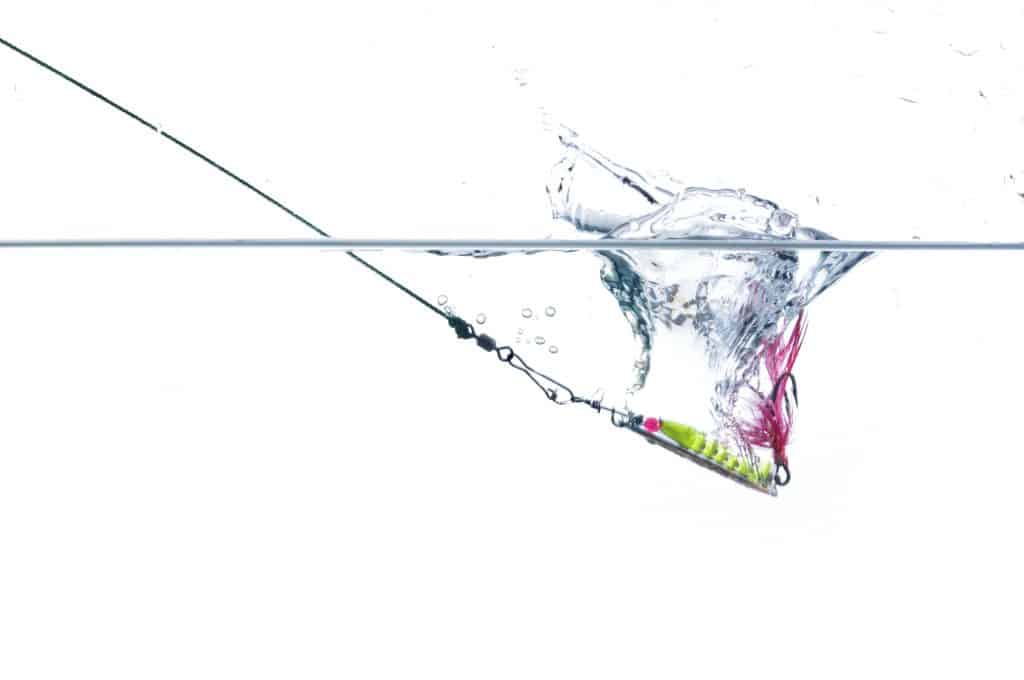
Keeping a constant speed can quickly become the downfall of your trolling experience. The fish will not be interested in a lure that has one set action. By changing the speeds at which you go, the lure and dodger will have a variety of actions that will attract the fish.
ボートのスピードを一定に保つことはトローリング経験の評価を下げることになる。魚は単純な動きのルアーに興味を示さない。操舵スピードに変化を加えることで、ルアーとドジャーは魚を魅了する様々なアクションを生むことになる。
When I go trolling on the lakes, I usually change the speed in a range of about 1 MPH. This is a pretty big range, and it doesn’t have to be so dramatic with your experience. I usually start around 1.5 MPH and make my way up to 1.8 MPH. if I don’t have that much luck, I slow down again until I catch something, or I’m going 0.8 MPH.
湖でトローリングするとき、通常おおよそ1mph(時速1.6Km/h)のレンジ内で速度を変える。これはかなりの幅だが、あなたの経験ではそう大きな変化ではないかも知れない。私は、普通1.5mphの速度で開始して1.8mphまで上げていく。もしアタリがなければ、釣れるかまたは0.8mphまで再度速度を下げる。
The speeding up of the boat, consequently, will increase the speed of the lures on the boat. By going slower, the lures will slow down and not travel as fast. Kokanee strike when the lure is falling, so when the boat slows down enough, the kokanee will strike more often.
その結果、ボートのスピードアップは船上のルアー速度を上昇させる。速度を落とすと、ルアーはゆっくり沈んで速く進まない。ルアーが沈んだとき、ヒメマスは喰ってくる。だから、ボートが十分に速度を落としたときにヒメマスはよく喰ってくる。
15. With or Against
順方向か逆方向か
One of the quickest ways that your fishing trip can go down the drain is with tangled lines. Sometimes its unaviodable. The fish fights towads another line and snags it before you have time to get the other rod out of the way, or you just didn’t notice.
あなたの釣り旅行がうまく行かなくなる(down the drain)手っ取り早い(quichest way)方法の1つが、糸の絡みである。これはときどき避けられない。魚がもう1本のラインに向かってファイトし、ロッドを除く時間が無かったり気が付く前だったりして、ラインが引っかかってしまう。
One of the most common ways that a fishing line can be entangled with another is because of the wind blowing the lines into each other. When trolling, make sure never to go sideways into the wind, else you risk getting the lines messed up.
ライン同士が絡むことになる最も一般的原因はライン間に吹く風だ。トローリングのとき、風の中を斜めに進んでいないことを確認しろ。そうでないと、ラインをメチャクチャにしてしまう危険がある。
Making sure that you always travel with or against the wind will help with keeping your lines untangled and ready to twitch if a fish strikes. The wind can be a great hinderance to fishermen, but there are easy ways to get around the wind’s bothersome personality.
風に沿っているか逆風でトロールしているかを確認することは、ラインを絡めずに、魚のアタリがあったときに向きを逆向きにするのに有用である。風は釣り人にとって大いなる邪魔者かもしれないが、しかし風のうるさい性格を克服するための簡単な方法がある。
16. Strike on Falling
沈下中のアタリ
When trolling or jigging for Kokanee, the action of the lure is very important. If the lure or bait is not properly presented to the fish, the fish may very well ignore the hook completely. The most important action that the Kokanee are most likely to bite is when the lure is falling.
トローリングやジギングによるヒメマス釣りでは、ルアーアクションが非常に重要だ。もしルアーやベイトが魚に対して適度に示されないなら、魚は完全にフックを無視することになる。ヒメマスが喰いそうになる最も重要なアクションは「ルアーが沈下したとき」である。
When talking about jigging, this is a very good thing to hear. The jig is usually falling, so there is a lot of opportunities to present a falling hook and bait to the Kokanee Salmon. Jerking the jig up slightly and letting it fall back down will both make the lure seem alive and get the action that you will want.
ジギングの話をするとき、聞くことが非常に大事だ。ジグは通常沈むので、ヒメマスにフックを示して、喰わせるたくさんの機会がある。ジグを少し上方向にジャークして、それを沈めるやり方はルアーを生きたように見せ、望むアクションができることになる。
For trolling, making the lure fall isn’t always easy. But it is possible. The lure does drop a little when the boat turns in its path. It drops significantl when doing a very sharp turn, such as a U-turn.
トローリングに対しては、ルアーを沈下させることは必ずしも易しいことではないが、可能である。ボートが曲がったとき、ルアーは少し沈下する。U字ターンのように、鋭角でターンしたとき、ルアーはかなり沈下する。
17. Faster and Deeper Trolling for Bigger Fish
大型魚に対しては、より速くより深く
Kokanee are most likely in a school with a few other fish. Because of this, the fish are going to be more aggressive. They are going to bite, so now the goal is to get the bigger fish to bite first.
ヒメマスは他の小魚と群をなしているようだ。だから、ヒメマスはより攻撃的になり易い。食いつこうとしているので、今度の目標は初めにバイトする大型魚を釣ることだ。
One tactic to do this is to troll deeper. The bigger Kokes are going to be deeper in the water. They can survive here because the other species that try to prey on Kokanee will not be able to kill them or eat them.
そのための戦術はより深い水深をトロールすることだ。大型のヒメマスは深場を遊泳している。ヒメマスを捕食しようとする他の魚は彼らを食ったりできないので、そこで生存できるのだ。
But this tip is about how fast you’re traveling. The bigger Kokanee are going to be able to swim a little faster than the smaller Kokanee. This means that you can troll faster than you originally thought you could. Instead of trolling around 1.5 mph, go for a little faster. 1.8 or almost 2 mph .
しかしこの秘訣はどのくらいの速度でトロールするかだ。大型のヒメマスは小型より少し速く泳ぐことができるだろう。これは通常より速くトロールできることを意味する。速度1.5mphの代わりに、1.8mphか2mphで少し速く流せ。
This will help you catch bigger Kokanee, which are more fun to fight, and more meat to eat.
これはファイトが楽しく、美味しい大型のヒメマスを釣るのに役に立つ。
18. Line Counter Reel
カウンター付リール
A counter reel is a device that can accurately tell you how much fishing line you have let out of your reel. This is very helpful for trolling and jigging, the two main methods used to catch Kokanee. If you pair that with a fish finder, you will be able to know exactly how deep you will have to drop the line, and you will be able to get the line down exactly down that far.
カウンター付リールとはリールからラインがどのくらい出ているかを正確に示す装置のことだ。これはヒメマスを釣る主な釣り方であるトローリングとジギングでは非常に役に立つ。もし魚探をこれと組み合わせたら、正確に沈めなければならない水深を知ることができて、そして正確にその深さへラインを沈めることができるようになる。
For trolling, the drag the water has on the line will have to be taken into consideration. There are a lot of things online that can tell you how deep the line will go depending on the weights you have on the line, the type of line, and how fast you are going.
トローリングに対して、水がライン上で発生させる引っ張り力が考慮されなければならない。ラインに付けたオモリ、ラインの種類、そしてボートの速度によって、ラインがどのくらい沈むかについては、オンライン上にたくさんある。
Jigging for Kokanee Salmon is best done on the bottom of the lake and worked up to the surface. It’s not always a good thing to let your hook touch the bottom of the lake, so paired with a line counter and a fish finder, the line counter reel can be a very useful tool.
ヒメマス用ジギングは湖底でうまく働き、水面まで効果がある。フックを湖底に着けることは、必ずしも良い方法でない。それでラインカウンターと魚探を組み合わせると、ラインカウンターは非常に有効になる。
19. Fish Year-Round
年中の魚
Kokanee Salmon are land locked, so they are stuck in the lakes. They can be caught year round, so get out to your lakes! In the winter, you can go ice fishing. While this adds more expenses with more needed equipment, you’ll be able to use that equipment for any type of ice fishing.
ヒメマスは陸封されて、湖から離れられない。ヒメマスは年中釣れる。だから湖へ出かけろ。冬には氷上の釣りができる。この場合、必要な道具にもっとお金がかかるが、どんなタイプの氷上の釣りに対してもそれを使うことができる。
During the late spring and early summer months, go jigging and try your luck with dropping jigs on Kokanee Salmon schools you find with your fish finder. Once the Kokanee start going deeper in the later summer and early fall, try your luck trolling for the fish.
春遅くから初夏の間、魚探で見つけたヒメマスにジグを試して見よ。晩夏から初秋にヒメマスが深場に移動し始めたときはトローリングを試せ。
Each season has different lures and baits that work best for them, so if you don’t know, experiment, or ask people you think that would know.
各シーズンに最も効果的なルアーとエサがある。そのことを知らないなら実験して見るか、または知ってそうな人に聞け。
20. Set Lines at Varying Depths
変化する水深にラインを備えよ
In any kind of Kokanee Salmon fishing, this applies very strongly.
ヒメマス釣りのような場合、これがうまく適用できる。
Trolling – If you have five lines out, have one at the recommended depth and distance behind the boat. For the other four, change it up in increments of 10. One 10 feet deeper, one 10 feet shallower, one ten feet further back, and the last 20 feet further back from the original.
トローリング:もし5本のラインを流しているなら、1本は推薦される水深とボートからの距離で流せ。残りの4本は10フィートづつ深度を変えろ。1本は10フィート深く、1本は10フィート浅く、1本は10フィート更に浅く、最後の1本は更に10フィート浅くだ。
Jigging – In jigging, you have one rod that is action-focused, and another suspended in the water with bait. Jig starting at the bottom, but once you have a depth that works well, drop another line down at that depth and let it sit and be bit.
ジギング:ジギングでは、1本はアクションに集中し、もう1本は水中にエサを吊せ。湖底からスタートして、反応の良い水深に来たなら、その水深にもう1本のラインを沈めて喰わせる。
Ice fishing – When Ice fishing, its a good idea to have as many holes as you can, and to space them out every 10 or so feet perpendicular from the shore. The first should be about 10 feet under the ice, and the next four down another 10 feet than the last. If the lake is shallower, put the rest a few feet above the bottom of the lake.
氷上の釣り:氷上の釣りの場合、できるだけたくさんの穴を持つことはいい考えだ。10フィート間隔か、湖岸から駆け上がる場所で。最初の穴は氷上から10フィートの水深で、次の4つは最後の穴よりも10フィートだけ下げよ。湖の水深が浅いなら、残りは湖底から数フィート上げよ。
21. Spend Wisely
抜け目なく吊せ
A lot of the Kokanee Salmon require a few specific pieces of equipment to be most effectively caught. Even if it is just a boat, it’s really good to have. Actually, especially if its a boat.
大量のヒメマスを効率的に釣るためにはある特別な装置が必要だ。ボートの時でさえ、それは有効だ。実際には、特にボートの時に必要なのだ。
For trolling, and although it isn’t exactly required, a downrigger would be a very good sale. Consider buying quite a bit of leaded fishing line, and also a few weights. There are small salmon downrigger clips that can be easily attached to a line and will get the hook down to the correct depth.
トローリングに対しては、必ずしも必須でないが、ダウンリガーはいい買いモノだ。レドコア・ライン、またオモリの購入も少し検討せよ。ラインに取り付けて正しい水深にフックを沈めることができる小さなダウンリガー用クリップがある。
Another piece of tech that would be very useful would be a fish finder. The ability to see the bottom of the lake would be amazing to have. The fish finder isn’t a bad purchase because of how useful it can be. It can help out with jigging and with ice fishing.
非常に有効な装置は魚探だ。湖底を見る能力は驚くべきものだ。魚探はその有益性の観点から、悪い買い物ではない。ジギングと氷上の釣りで、困ったときに役に立つ。
Related Questions:
関連質問
Is Kokanee a salmon or trout? Kokanee Salmon is actually land locked Sockeye Salmon, an ocean and river species. They tend to be smaller than Sockeye Salmon, and they act more like trouts, but they do not breed with either. Kokanee Salmon are considered a separate species than Sockeye Salmon.
ヒメマスはサケか、マスか?ヒメマスは実際は陸封された紅鮭(海洋と川の種)だ。紅鮭より小型で鱒のように行動するが、紅鮭と繁殖しない。ヒメマスは紅鮭というよりも、分離した種と考えられている。
What do Kokanee Salmon like to eat? Kokanee Salmon are strictly zooplankton eaters. Despite constantly biting lures, Zooplankton, very small organisms floating in the water, is their only source of food. Many types of fish eat Kokanee, though. Kokanee Salmon are also known to eat very small insects, but that is a lot less common. Kokanee Salmon have gill rakers that make eating other things harder.


